Kunal Kamra’s ‘Sita Ke Pati’ Remark Sparks Online Debate During Delhi Protest: What Happened and Why It Matters
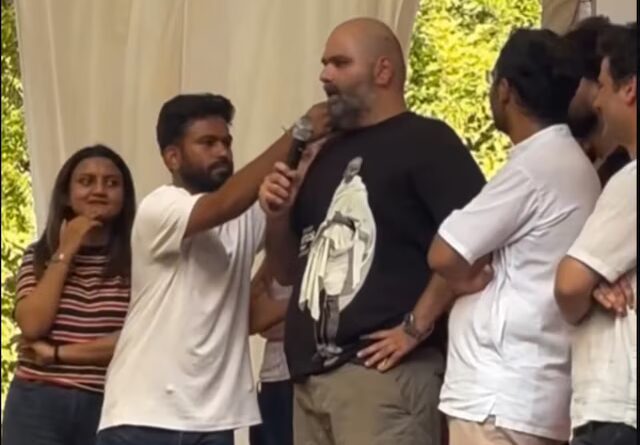
Comedian Kunal Kamra has once again found himself at the centre of a political controversy after a remark made during a public protest in Delhi spread widely across social media. Supporters described the comment as political satire aimed at the government and corporate influence, while critics accused him of being disrespectful towards Hindu religious beliefs.
The incident has added another layer to the ongoing debate over political satire, freedom of expression, and the role of public figures in politically charged movements.
What Happened?
Kunal Kamra attended a protest at Delhi’s Jantar Mantar organised by the Cockroach Janata Party (CJP), a youth-led movement demanding accountability over alleged irregularities in the NEET examination and broader education-related issues. The protest has also received support from activist Sonam Wangchuk and several public figures.
During his speech, Kamra used the phrase “Sita ke pati ka naam…”, which quickly went viral after videos from the event circulated across social media platforms.
Many users interpreted the statement differently:
- Critics argued that referring to Lord Ram in this manner was disrespectful and hurt religious sentiments.
- Supporters said the remark was not directed at religion itself but was a satirical criticism of the government, suggesting that religious symbolism was being used while allegedly serving corporate interests.
The differing interpretations have fuelled intense debate online.
How Credible Is This News?
The event itself is confirmed.
Multiple news organisations reported Kamra’s presence at the protest, and videos of his speech have been widely circulated on social media.
However, the meaning and intent behind the remark remain matters of interpretation rather than established fact.
There has been no official legal finding declaring the statement offensive or unlawful at the time of writing. Likewise, Kamra has not issued a clarification specifically addressing every interpretation circulating online.
Why Has This Remark Become Controversial?
India has frequently witnessed public debates where political satire intersects with religion.
Comedians, filmmakers and political commentators often use humour to criticise governments or public institutions. At the same time, remarks involving religious figures regularly attract criticism from groups who believe such references cross acceptable boundaries.
In this case, disagreement largely centres on whether Kamra’s words targeted:
- religious beliefs,
- political messaging involving religion,
- or alleged corporate influence on government decisions.
Because the statement can be interpreted in multiple ways, reactions have become sharply divided across political and ideological lines.
Understanding the Background
The controversy emerged during an ongoing protest linked to concerns over the education system, including alleged examination irregularities.
The Cockroach Janata Party (CJP), which began as an online satirical movement, has expanded into public demonstrations attracting students, activists and several well-known personalities.
Kamra’s appearance shifted part of the public conversation away from the protest’s original demands and towards his remarks, illustrating how comments from high-profile personalities can quickly dominate public discourse.
Who Is Affected?
Different groups may experience the controversy differently.
Political parties
- Supporters and opponents of the government are using the incident to reinforce their respective narratives regarding political criticism and freedom of expression.
Religious communities
- Some Hindu organisations and individuals have expressed objection to the wording used, while others argue the statement was political rather than religious.
Student movement
- The attention surrounding Kamra’s speech risks overshadowing the education-related issues that protesters intended to highlight.
Public discourse
- The episode contributes to the continuing debate about where the line should be drawn between satire, criticism and religious sensitivity.
Different Stakeholder Reactions
Supporters
Supporters argue that Kamra has consistently used satire to criticise governments and powerful institutions. They view the viral remark as political commentary rather than an attack on religion.
Critics
Critics believe public figures should avoid references that may offend religious sentiments, regardless of political intent. They argue comedians also carry responsibility for the social impact of their words.
Protest Organisers
The organisers have continued focusing on their broader demands concerning education and accountability, although media attention has largely centred on Kamra’s comments.
Could This Have Wider Implications?
Although the controversy may not directly change government policy, it highlights several recurring issues in Indian public life:
- renewed debate over freedom of speech and political satire;
- increased scrutiny of public speeches made during protests;
- greater political polarisation on social media;
- continued discussion about balancing artistic expression with respect for religious beliefs.
Such controversies also demonstrate how viral online clips can quickly shift national attention away from the original purpose of a protest.
What Should Readers Expect Next?
The online debate is likely to continue for some time as supporters and critics present competing interpretations of the remark.
Unless legal proceedings or official statements emerge, the discussion is expected to remain largely political and social rather than judicial.
Meanwhile, attention may gradually return to the protest’s original demands regarding education policy and examination reforms, depending on future developments.
Key Takeaways
- Kunal Kamra’s remark during a Delhi protest has triggered a nationwide online debate over political satire and religious sensitivity.
- While the event and the viral videos are confirmed, the meaning and intent behind the statement remain subject to differing interpretations.
- The controversy highlights broader questions about freedom of expression, political communication and how viral moments can reshape public attention away from the core issues behind a protest.