Mahaprabhu Jagannath Film Reaches Supreme Court After High Court Stops Release: What the Legal Battle Means
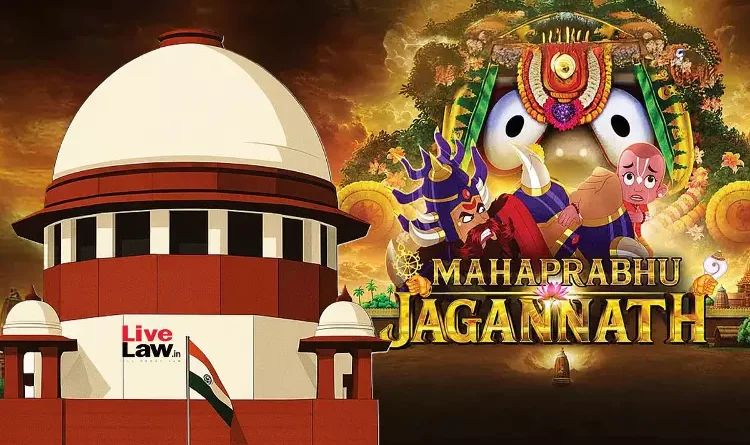
The release of the animated film Mahaprabhu Jagannath has turned into a major legal dispute after the Orissa High Court temporarily stopped its nationwide release. The filmmakers have now approached the Supreme Court, arguing that the decision came just before the scheduled release and despite the film receiving certification from the Central Board of Film Certification (CBFC).
The case has sparked a wider discussion about where the line should be drawn between artistic freedom and protecting religious sentiments. As the matter moves through the country’s highest court, its outcome could influence how similar disputes are handled in the future.
What Happened?
The makers of Mahaprabhu Jagannath, an animated film based on Lord Jagannath, challenged an Orissa High Court order that halted the film’s release across India.
According to court proceedings, the producers sought an urgent hearing in the Supreme Court because the film was scheduled to release the following day. They argued that delaying the release would cause significant financial losses after preparations had already been completed, including bookings in hundreds of theatres.
The Supreme Court agreed to hear the matter, although it did not immediately suspend the High Court’s order.
Why Did the Orissa High Court Stop the Release?
The High Court’s interim order followed petitions raising concerns over the film’s portrayal of Lord Jagannath.
The court observed that the timing of the release, immediately after the Rath Yatra festival, and the concerns expressed by petitioners regarding religious beliefs and possible public unrest justified temporarily stopping the release until the issues could be examined in greater detail. The stay was described as an interim measure rather than a final decision on the film itself.
What Is the Filmmakers’ Argument?
The producers argue that the film had already received certification from the Central Board of Film Certification, the statutory body responsible for approving films for public exhibition in India.
According to the filmmakers:
- The movie is intended as an educational animated film for children.
- The CBFC had cleared the film under the Cinematograph Act.
- The High Court’s order was issued shortly before the scheduled release, leaving little opportunity to respond.
- The delay could lead to substantial financial losses because distribution and theatre bookings had already been finalized.
How Credible Is This Development?
This is a confirmed legal development.
The proceedings before both the Orissa High Court and the Supreme Court have been officially reported by legal news platforms and multiple national media organizations. The legal challenge itself is not disputed.
However, the broader dispute over whether the film’s content is appropriate remains unresolved because the courts have not yet delivered a final ruling on the merits of the case.
Why Does This Case Matter?
Although the dispute focuses on one animated film, it raises larger constitutional and legal questions.
The case highlights the ongoing balance between:
- Freedom of artistic expression.
- Respect for religious beliefs.
- The role of courts in preventing possible public unrest.
- The authority of film certification after CBFC approval.
India has witnessed several legal challenges involving films based on historical, political and religious subjects. Each case contributes to the evolving debate over whether CBFC certification alone should normally permit a film’s release or whether courts should intervene in exceptional situations.
Who Could Be Affected?
Film Producers and Distributors
A delayed release can increase marketing costs, disrupt theatre schedules and reduce potential box office earnings.
Cinema Owners
Theatres planning to screen the film may face last-minute scheduling changes and revenue uncertainty.
Devotees and Religious Groups
Those who object to the portrayal of religious figures see the court proceedings as an opportunity to examine whether cultural and religious sensitivities have been respected.
The Entertainment Industry
The outcome may influence how filmmakers approach projects involving religious subjects, particularly regarding legal risk and release planning.
Analysis: The Larger Legal Question
Analysis
This dispute goes beyond a single movie.
The central issue is whether judicial intervention should override a film’s certification when concerns about public order or religious sensitivity arise.
Supporters of the filmmakers argue that once a film has been cleared by the CBFC, last-minute bans create uncertainty for the creative industry and discourage investment.
On the other hand, those supporting judicial intervention contend that courts have a responsibility to act if there is credible concern that a release could disturb public peace or deeply affect religious sentiments.
The courts will ultimately determine how these competing interests should be balanced under Indian law.
What Could Happen Next?
The Supreme Court’s decision will determine whether the High Court’s interim restriction remains in place or is modified.
Possible next steps include:
- The Supreme Court permitting the release subject to conditions.
- The interim stay continuing while the legal challenge is examined further.
- Additional hearings to consider the objections raised by all parties.
The final outcome will depend entirely on judicial proceedings rather than public opinion.
Key Takeaways
- The makers of Mahaprabhu Jagannath have challenged the Orissa High Court’s stay on the film’s nationwide release before the Supreme Court.
- The case centres on balancing artistic freedom with concerns about religious sensitivity and public order.
- The Supreme Court’s eventual decision could influence future legal disputes involving films based on religious themes and clarify the relationship between CBFC certification and judicial intervention.