Sonam Wangchuk Hospitalised During Hunger Strike as Wife Demands Consent for Any Medical Treatment
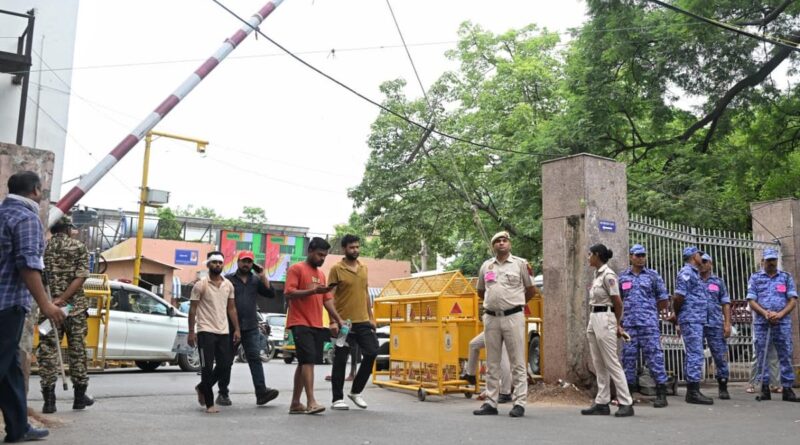
imate activist Sonam Wangchuk has been shifted to Delhi’s Safdarjung Hospital after spending nearly three weeks on an indefinite hunger strike. His hospitalisation has sparked fresh debate over patient consent, the state’s responsibility to protect life, and the wider issues driving the ongoing protest.
What Happened?
Climate activist and education reform advocate Sonam Wangchuk was moved from the Jantar Mantar protest site to Safdarjung Hospital in New Delhi after entering the 21st day of his indefinite hunger strike.
Soon after his admission, his wife, Gitanjali J. Angmo, publicly stated that no medicine, intravenous fluids, or any other medical treatment should be given to Wangchuk without the consent of his family and the doctors who had been monitoring his health during the fast.
She questioned the decision to shift him to the hospital, saying she believed his condition did not require emergency medical intervention at that stage. She also said she would hold the authorities responsible if any treatment was started without proper consent.
Why Was He Hospitalised?
According to Delhi Police, Wangchuk was transferred to Safdarjung Hospital based on medical advice and in accordance with directions issued by the Delhi High Court regarding regular monitoring of his health during the prolonged hunger strike.
Officials said the move was intended to ensure essential medical care as his physical condition deteriorated after several weeks without food. Authorities also appealed to protesters gathered at Jantar Mantar to end the demonstration peacefully.
Why Is Sonam Wangchuk on Hunger Strike?
Wangchuk has been participating in an indefinite hunger strike linked to protests demanding accountability over alleged irregularities in the NEET examination and related concerns raised by student groups.
Throughout the protest, he has maintained that he intends to continue the fast despite the health risks involved. In a video message before his hospitalisation, he said he had lost a significant amount of body weight but remained committed to his cause.
How Credible Is This News?
The developments have been confirmed through multiple official and credible sources.
The following facts are publicly confirmed:
- Sonam Wangchuk has been admitted to Safdarjung Hospital.
- Delhi Police said the transfer followed medical advice and court directions.
- Gitanjali J. Angmo publicly objected to any treatment without her consent.
- Wangchuk remains on an indefinite hunger strike linked to ongoing protests.
However, there are differing views regarding whether immediate hospitalisation was medically necessary. While his family questioned the decision, authorities maintain it was taken in the interest of his health. At present, no independent medical assessment has been made public to resolve this difference.
Why Does This Matter?
The case extends beyond one activist’s health.
It raises important questions about balancing individual rights with the government’s responsibility to preserve life during prolonged hunger strikes.
Key issues include:
- Patient consent for medical treatment.
- Ethical limits of state intervention during protests.
- Protection of democratic protest while ensuring public safety.
- Public confidence in how authorities handle high-profile demonstrations.
These questions have appeared in several previous hunger strikes in India and continue to generate legal and ethical debate.
Different Perspectives
Family’s Position
Wangchuk’s wife argues that neither she nor the doctors overseeing his health had approved medical intervention. She believes treatment should only begin after obtaining proper consent from the family and medical team.
Government and Police Position
Delhi Police have stated that the hospital transfer was not arbitrary but followed expert medical advice and complied with directions issued by the Delhi High Court regarding Wangchuk’s health monitoring.
Medical Perspective
Although doctors have not publicly released detailed medical findings, prolonged hunger strikes can lead to dehydration, electrolyte imbalance, organ stress, and other serious complications. Medical professionals often recommend hospital observation when such risks increase, even if a patient remains conscious.
Who Could Be Affected?
Several groups may be impacted by the developments:
- Protesters: The hospitalisation may influence the direction and momentum of the ongoing movement.
- Government authorities: Their handling of the situation will likely remain under public and legal scrutiny.
- Medical professionals: They must balance medical ethics, patient autonomy, and legal responsibilities.
- Students and civil society groups: Many are closely watching how the broader issues raised by the protest are addressed.
What Could Happen Next?
Several developments are possible in the coming days:
- Doctors are expected to continue monitoring Wangchuk’s condition.
- Discussions over medical consent and patient rights could become more prominent.
- The protest organisers may decide whether demonstrations continue or change form following his hospitalisation.
- Government authorities may face renewed pressure to respond to the demands associated with the protest.
At present, there is no official indication that the protest’s underlying issues have been resolved.
Analysis: Why This Case Is Receiving National Attention
This incident combines three sensitive issues that often generate significant public interest in India: democratic protest, public health, and constitutional rights.
While governments have a responsibility to protect life, hunger strikes traditionally rely on voluntary sacrifice as a means of political expression. The challenge lies in determining when medical intervention becomes necessary and whether it should proceed without explicit consent.
The differing positions taken by Wangchuk’s family and the authorities illustrate how difficult these situations can become, particularly when legal obligations, ethical considerations, and political sensitivities overlap.
As the situation develops, attention is likely to remain focused not only on Wangchuk’s health but also on how institutions balance individual autonomy with public responsibility.
Key Takeaways
- Sonam Wangchuk has been admitted to Safdarjung Hospital after spending 21 days on an indefinite hunger strike.
- His wife has objected to any medical treatment without the family’s consent, while Delhi Police say the transfer followed medical advice and court directions.
- The case has reignited debate over patient rights, state intervention during protests, and the broader issues that prompted the ongoing hunger strike.