West Asia Conflict Escalates: Fresh U.S.-Iran Strikes Raise Regional Security Concerns
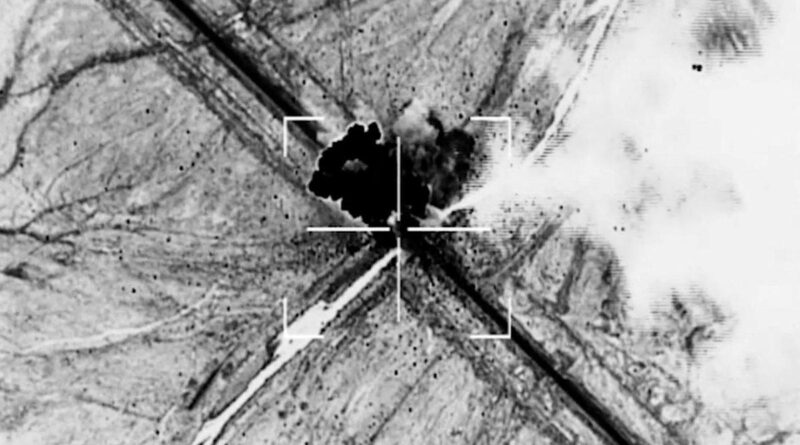
The conflict between the United States and Iran has entered another dangerous phase, with both sides reporting new military actions across West Asia. The latest developments have heightened fears of a wider regional crisis, while governments around the world continue to call for restraint and diplomacy.
Although official statements have confirmed several military operations, many battlefield claims remain difficult to verify independently, making the situation fast-moving and highly uncertain.
What Happened?
According to official announcements and multiple media reports, the United States carried out fresh strikes targeting sites inside Iran as part of its ongoing military campaign. Iranian authorities responded by claiming attacks on locations associated with U.S. military interests in neighbouring countries.
The exchange marks another significant escalation in a conflict that has expanded beyond the borders of Iran and increasingly involves military assets across the wider Middle East.
At the time of writing, governments involved continue to release updates, while independent verification of every reported strike remains limited because of the rapidly changing situation.
How Credible Is This Information?
Several aspects of the latest developments have been confirmed through official government statements and reporting by established international news organisations.
However, details such as the exact number of targets, the extent of damage, and casualty figures remain subject to change. In active conflict zones, governments often publish information before independent investigators can verify it.
Readers should therefore treat operational claims from either side as part of an evolving situation until corroborated by multiple credible sources.
Why This Matters
The latest military exchanges are significant because they increase the possibility of a broader regional confrontation rather than a conflict limited to Iran.
West Asia plays a central role in global energy production and international shipping. Any prolonged military escalation creates concerns about:
- Oil and natural gas supplies
- International shipping routes
- Commercial aviation safety
- Regional security
- Global financial markets
Countries that depend heavily on energy imports, including India, closely monitor developments because disruptions in the region can affect domestic fuel prices and broader economic stability.
Background: Why Are the U.S. and Iran in Conflict?
Relations between Washington and Tehran have remained strained for decades due to disagreements over regional security, Iran’s nuclear programme, sanctions, and support for armed groups operating across West Asia.
In recent months, military tensions have increased through a series of retaliatory actions involving Iran, the United States, and their regional partners. Each new exchange has raised concerns that the conflict could expand beyond isolated military operations.
Diplomatic efforts have continued intermittently, but negotiations have struggled to produce a lasting reduction in tensions.
Who Is Most Affected?
Countries in the Region
Neighbouring states face increased security risks because several host U.S. military facilities or lie close to areas of military activity.
Civilians
Residents across affected regions face uncertainty, possible displacement, disruptions to daily life, and concerns over public safety if military operations continue.
Global Economy
Energy markets are particularly sensitive to developments in West Asia.
Possible consequences include:
- Higher crude oil prices
- Increased shipping insurance costs
- Rising transportation expenses
- Pressure on inflation in importing countries
Businesses
Companies involved in logistics, aviation, shipping, and international trade may experience higher operating costs if regional instability continues.
Government and International Reactions
Several governments have urged both sides to avoid further escalation and return to diplomatic negotiations.
India has consistently called for restraint, emphasising dialogue and peaceful resolution while closely monitoring developments because of its significant economic and energy interests in the region.
International organisations and foreign policy experts have also warned that continued military exchanges increase the risk of unintended escalation involving additional countries.
Analysis: What Could Happen Next?
Confirmed Facts
- Military exchanges between the United States and Iran have continued.
- Governments are issuing official statements regarding military operations.
- Diplomatic calls for de-escalation are ongoing.
Analysis
If retaliatory actions continue, the conflict could become more geographically widespread, increasing pressure on regional security and global markets.
On the other hand, sustained diplomatic engagement could help prevent a broader confrontation, although achieving such an outcome remains challenging given the current level of mistrust between the parties involved.
Much will depend on whether future military actions remain limited or trigger involvement from additional regional actors.
What Should Readers Expect?
In the coming days, readers should watch for:
- Official updates from the United States and Iran
- Independent verification of reported military operations
- Statements from regional governments
- Developments affecting oil markets and international shipping
- Any renewed diplomatic initiatives aimed at reducing tensions
Because the situation remains fluid, information may change as additional evidence becomes available.
Key Takeaways
- The latest exchange of strikes marks another escalation in the ongoing U.S.-Iran conflict and has heightened regional security concerns.
- While several military actions have been officially confirmed, many operational details are still being independently verified.
- The conflict has implications that extend well beyond West Asia, particularly for global energy markets, international trade, and diplomatic stability.