US-Iran Conflict Deepens as Military Operations Expand and Strait of Hormuz Faces Fresh Security Risks
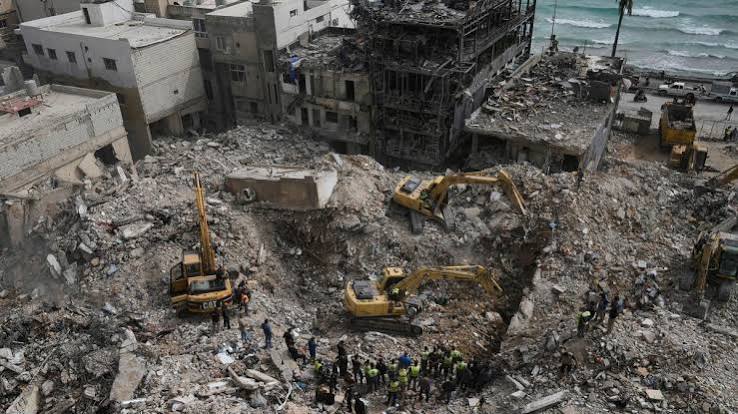
The military confrontation between the United States and Iran has intensified, with both countries exchanging strikes across the Gulf region. At the same time, new concerns have emerged over the safety of commercial shipping through the Strait of Hormuz, one of the world’s most important energy routes.
While several developments have been confirmed by official military statements, other claims—particularly regarding damage at sea—remain difficult to verify independently. As the situation continues to evolve, governments and global markets are closely monitoring the region.
What Happened?
The United States said it carried out another round of military operations targeting Iranian military infrastructure. According to US Central Command (CENTCOM), the strikes were aimed at reducing Iran’s ability to monitor and threaten commercial vessels operating near the Strait of Hormuz. Among the confirmed targets was a surveillance tower at Shahid Kalantari Port in Chabahar, which Washington says had been used by Iran’s Islamic Revolutionary Guard Corps (IRGC) for maritime surveillance.
Iran responded by announcing military operations against US-linked military assets across several Gulf countries. Iranian officials also claimed that two oil tankers exploded after entering a mined area near the Strait of Hormuz. However, these tanker claims have largely come from Iranian state sources, and independent international verification was not immediately available at the time of reporting.
How Credible Is the Information?
Not every development surrounding the conflict carries the same level of certainty.
Confirmed by official sources
- The US has publicly acknowledged conducting strikes on Iranian military-related facilities.
- CENTCOM confirmed the destruction of a surveillance tower near Chabahar Port.
- Both governments have officially confirmed that military operations are continuing.
Claims still awaiting independent verification
Some reports require caution because they currently rely mainly on statements from one side of the conflict.
These include:
- Iran’s claim that two oil tankers struck mines and caught fire.
- The full extent of damage caused by retaliatory strikes.
- Casualty figures released by either side.
During active conflicts, independent verification often takes time due to restricted access to affected areas.
Why the Strait of Hormuz Matters
Much of the current tension centres on the Strait of Hormuz.
This narrow waterway connects the Persian Gulf with global shipping routes and carries a significant share of the world’s oil and liquefied natural gas exports. Any disruption in this region can quickly affect global energy markets, shipping costs and fuel prices worldwide.
Even when shipping is not completely blocked, increased military activity can lead to:
- Higher insurance costs for shipping companies
- Delays in energy exports
- Increased transportation expenses
- Rising oil prices due to uncertainty
Why Chabahar Port Is Strategically Important
Chabahar is more than just a commercial port.
Located on Iran’s southeastern coast along the Gulf of Oman, it provides Iran with direct access to the Indian Ocean without passing through the Strait of Hormuz. The port has long been viewed as strategically important for regional trade and military logistics.
According to US officials, the destroyed surveillance tower formed part of Iran’s maritime monitoring network. Iran, however, has accused the US of expanding attacks beyond military targets into civilian infrastructure.
Who Is Most Affected?
The impact extends well beyond the two countries involved.
Iran
- Military infrastructure faces continued attacks.
- Economic pressure increases as trade and transport become more difficult.
- Civilian infrastructure concerns have also been raised.
United States
- Military resources remain heavily deployed across the Middle East.
- Regional security commitments become more demanding.
- Diplomatic pressure increases from allies seeking stability.
Gulf Countries
Countries hosting US military facilities face heightened security risks and may strengthen air defence and emergency preparedness.
Global Energy Markets
Oil traders, shipping companies and energy-importing nations remain sensitive to developments in the Gulf. Any prolonged disruption could contribute to higher fuel costs worldwide.
Different Perspectives on the Conflict
The two governments continue to present sharply different narratives.
The United States says its operations are focused on weakening Iran’s military capabilities and protecting international shipping.
Iran argues that the attacks violate its sovereignty and says its military actions are defensive responses to US operations.
International observers continue urging restraint, warning that further escalation could destabilise the wider Middle East.
Possible Short-Term and Long-Term Effects
Immediate Effects
- Continued military exchanges
- Increased risks for commercial shipping
- Volatility in oil and financial markets
- Higher regional security alerts
Longer-Term Effects
If tensions continue, governments may reconsider:
- Maritime security arrangements in the Gulf
- Military deployments in the region
- Energy supply diversification
- Diplomatic efforts aimed at preventing a broader regional conflict
What Should Readers Expect Next?
The situation remains highly fluid.
Military operations may continue while diplomatic channels remain open behind the scenes. Governments around the world will closely monitor whether shipping through the Strait of Hormuz remains secure and whether additional countries become involved in the conflict.
Readers should also expect frequent updates, as many battlefield claims require independent verification before they can be confirmed.
Key Takeaways
- The United States and Iran have intensified military operations, increasing tensions across the Gulf region.
- Official statements confirm new US strikes and Iranian retaliation, but several battlefield claims remain independently unverified.
- The Strait of Hormuz remains the key area to watch because any prolonged disruption could affect global energy supplies, shipping and fuel prices worldwide.