Bangkok Pub Fire Raises Questions Over Fire Safety Rules and Building Standards in Thailand
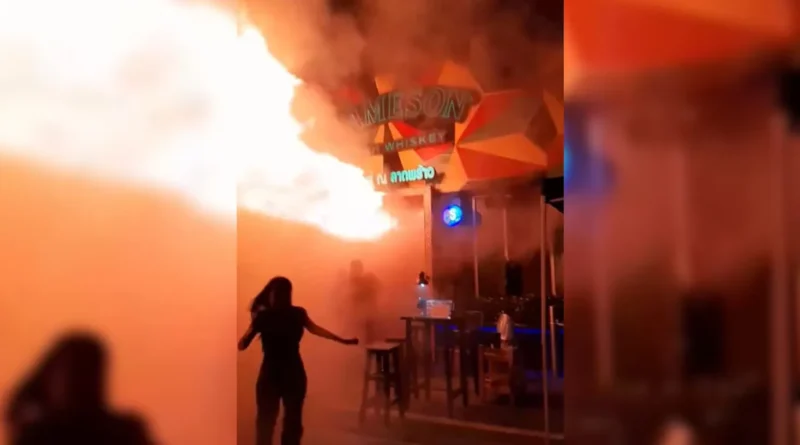
A deadly fire at a popular live music venue in Bangkok has triggered renewed scrutiny of Thailand’s fire safety regulations, licensing system, and enforcement practices. While investigators continue examining the exact sequence of events, experts and authorities say the tragedy exposed multiple safety weaknesses that may have worsened the disaster.
What Happened?
A late-night fire tore through the Rong Beer Na Lat Phrao pub in northern Bangkok, leaving at least 30 people dead and dozens injured, many of them critically. Initial findings suggest the blaze may have started because of an electrical fault linked to a ceiling-mounted air-conditioning unit, although the official investigation is still underway.
Emergency responders reached the venue quickly, but survivors and investigators say the fire spread with exceptional speed, filling the building with thick smoke and making escape extremely difficult. Many victims reportedly died from inhaling toxic smoke rather than from burns.
How Credible Is This Information?
The incident is a confirmed and officially documented tragedy.
Thai authorities have confirmed the casualties, while fire investigators, engineering experts, and emergency officials are examining the cause of the blaze and whether safety regulations were followed. Reuters, citing experts who inspected the site, reports that investigators are also examining possible safety failures, including blocked emergency exits and the use of highly combustible interior materials.
Some aspects, including the exact legal responsibility of individuals or businesses involved, remain under investigation.
Why Did the Fire Become So Deadly?
Experts believe the scale of the disaster was influenced by several factors working together rather than a single cause.
According to fire safety specialists who inspected the site:
- Decorative materials installed on the ceiling and around the stage were highly flammable.
- Acoustic foam and plastic-based decorations may have accelerated the spread of flames.
- Burning synthetic materials likely released toxic gases, including carbon monoxide and other harmful chemicals.
- Smoke rapidly filled the enclosed space, reducing visibility and limiting escape opportunities.
Investigators are also examining reports that some emergency exits may have been obstructed or unusable, though final conclusions have not yet been announced.
Why This Story Matters Beyond One Pub
This tragedy has become more than a local fire incident.
It has reopened concerns about whether older safety regulations adequately address modern entertainment venues that use decorative materials, soundproofing products, and complex interior designs.
Experts note that many venues today look very different from those built decades ago, yet some safety regulations have changed little over that period. This raises broader questions about:
- Fire-resistant construction materials
- Building inspections
- Emergency evacuation planning
- Enforcement of licensing rules
The incident also echoes previous nightclub fires in Thailand that prompted similar discussions about safety reforms but were followed by uneven implementation.
Licensing Rules Under Fresh Scrutiny
One important issue emerging from the investigation involves how the venue was classified.
Experts say the establishment was reportedly licensed as a restaurant even though it functioned much like a live entertainment venue. Different categories can carry different fire safety requirements, including ventilation systems, emergency equipment, and evacuation standards.
Investigators are now examining whether the existing licensing framework creates gaps that allow some businesses to operate under less demanding safety requirements.
Who Is Affected?
The immediate impact falls on:
- Families of those who lost loved ones.
- Survivors facing serious injuries and long-term recovery.
- Employees and performers connected to the venue.
- Local businesses that could face tighter inspections.
The wider hospitality and entertainment industry may also experience increased compliance costs if authorities introduce stricter building and safety standards.
Government and Expert Response
Following the fire, Bangkok officials announced plans to review existing regulations governing entertainment venues and decorative materials used inside public buildings. Authorities are also expected to reassess inspection procedures and venue classifications.
Fire safety engineers have urged policymakers to update regulations to reflect modern building designs and interior materials rather than relying on standards developed decades ago.
What Could Change Next?
While investigations continue, several possible policy changes are already being discussed:
- Tougher inspections for entertainment venues.
- Updated rules on fire-resistant decorative materials.
- Stronger enforcement of emergency exit requirements.
- Review of licensing categories for restaurants and live entertainment businesses.
- Improved smoke ventilation and fire protection systems.
Whether these proposals become permanent regulations will depend on the findings of the official investigation and future government decisions.
What Readers Should Expect
The investigation is expected to continue for some time as authorities determine the exact cause of the fire and assess whether negligence or regulatory violations contributed to the deaths.
Additional inspections of similar venues across Bangkok are also likely as officials seek to identify potential safety risks before another tragedy occurs.
Key Takeaways
- The Bangkok pub fire is a confirmed disaster that has highlighted potential weaknesses in fire safety enforcement and building regulations.
- Investigators are examining whether flammable interior materials, possible blocked emergency exits, and licensing issues contributed to the high death toll.
- The incident is expected to accelerate discussions on stricter safety standards, inspections, and regulatory reforms for entertainment venues across Thailand.