Motorola Edge 70 Max to Receive Longer Software Support: What the New Update Policy Means for Buyers
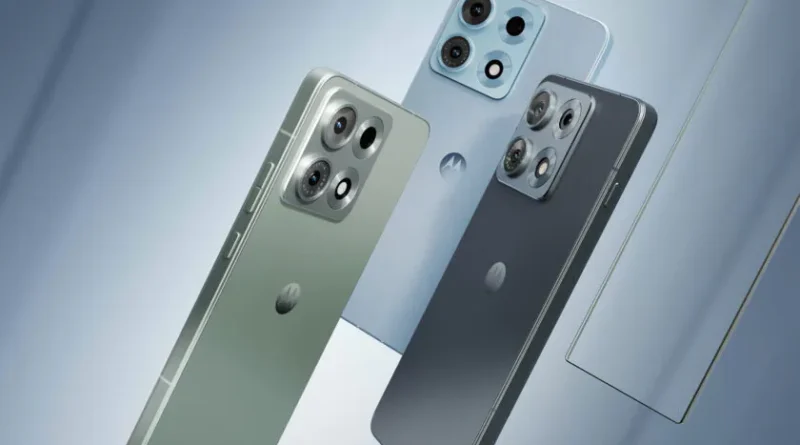
Motorola has announced a stronger software support commitment for its new Edge 70 Max, marking a notable shift in how the company plans to maintain its premium smartphones after launch. The move comes as long-term software support has become an increasingly important factor for consumers choosing a new Android device.
What Has Changed?
Motorola has confirmed that the Edge 70 Max will receive:
- Multiple future Android operating system (OS) upgrades.
- Security updates extending until around mid-2031.
- Regular bi-monthly security patches to protect users against newly discovered vulnerabilities.
The company’s official support documentation indicates that the phone ships with Android 16 and is scheduled to receive Android 17 as its next major upgrade, with long-term security support continuing for several years.
For smartphone buyers, this means the device is expected to remain secure and compatible with newer Android features for a significantly longer period than many previous Motorola phones.
How Credible Is This Information?
This development is based on Motorola’s official software support documentation and the company’s published update schedule for the Edge 70 series. While Motorola notes that update timing may differ by region, carrier, and market, the announced support policy represents the company’s current official commitment.
There are no major conflicting reports regarding the announced policy. However, software rollout dates can still vary depending on local testing and carrier certification.
Why Software Updates Matter
Many smartphone buyers focus mainly on camera quality, processor speed, or battery capacity. However, software support has become just as important because it determines how long a phone stays secure and receives new features.
Software updates generally include:
- Protection against newly discovered security threats.
- Improvements to system stability.
- Compatibility with newer Android applications.
- Access to future Android features.
Without regular updates, even powerful smartphones may gradually lose functionality or become more vulnerable to security risks.
Motorola’s Previous Reputation
Motorola has historically received criticism for offering shorter software support than many of its Android competitors.
While companies such as Google and Samsung have expanded their update commitments in recent years, Motorola’s policies have often been viewed as less competitive, particularly for premium devices. Industry observers have repeatedly highlighted this as one of Motorola’s biggest weaknesses.
The Edge 70 Max’s extended support therefore represents an important step toward narrowing that gap.
What This Means for Consumers
Longer software support can influence purchasing decisions in several ways.
Benefits for buyers
- Better long-term value from the device.
- Improved protection against cybersecurity threats.
- Fewer reasons to replace a phone early.
- Greater confidence for users planning to keep their phone for several years.
Possible limitations
Although Motorola has announced longer support, users will likely continue watching how quickly updates are actually delivered.
Historically, some Motorola devices have experienced slower update rollouts compared with Google’s Pixel phones and Samsung’s Galaxy lineup. Actual rollout speed remains an important factor beyond the length of support itself.
Industry Impact
The Android smartphone market has become increasingly competitive in terms of software support.
Manufacturers now compete not only on hardware but also on:
- Number of Android version upgrades.
- Security patch duration.
- Speed of update delivery.
- AI feature support over time.
Motorola’s longer commitment may help strengthen its position among premium Android buyers who increasingly view software longevity as a deciding factor.
Who Benefits?
Consumers
People planning to keep their smartphones for four to six years stand to benefit the most through improved security and longer device usability.
Motorola
The company could improve its reputation in an area where it has often faced criticism, making its flagship devices more attractive against rival brands.
Android ecosystem
Longer support across manufacturers helps reduce electronic waste by encouraging users to keep devices for longer instead of upgrading frequently.
Expert Perspective
Technology analysts have increasingly argued that software support has become one of the most important measures of a smartphone’s long-term value.
As flagship phone prices continue to rise, consumers are placing greater importance on how many years of updates a device will receive rather than focusing solely on launch-day specifications.
Motorola’s latest policy reflects this broader industry trend, although its execution will ultimately be judged by how consistently updates reach users.
What Should Buyers Expect Next?
The announced update commitment provides a clearer picture of Motorola’s long-term plans for the Edge 70 Max.
The next area to watch will be:
- How quickly Android version upgrades are released.
- Whether security patches arrive on schedule across different regions.
- Whether Motorola extends similar support policies to more devices in its portfolio.
Consistent rollout performance will determine whether the company’s improved promises translate into a better ownership experience.
Key Takeaways
- Motorola has officially committed to several years of Android and security updates for the Edge 70 Max, extending support until around 2031.
- The announcement addresses one of Motorola’s long-standing weaknesses and aligns the company more closely with growing industry expectations for longer software support.
- Buyers should still monitor the speed and consistency of update rollouts, as timely delivery remains just as important as the duration of software support.