Government Revises Windfall Tax on Fuel Exports: What the Latest Changes Mean for India’s Energy Sector
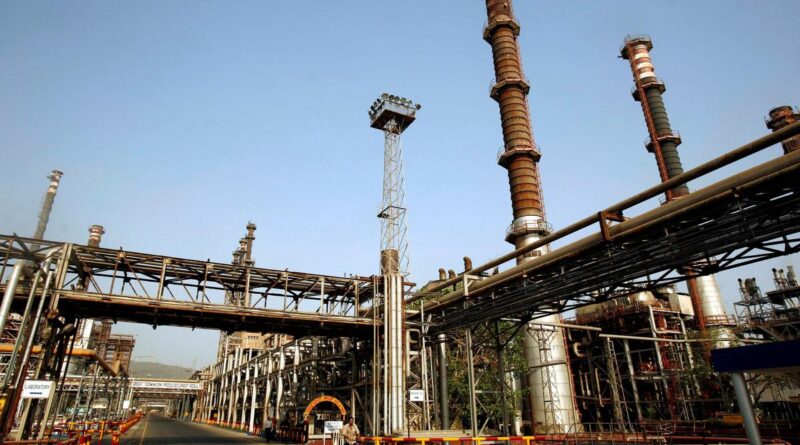
India has once again revised its windfall tax structure on fuel exports, increasing the levy on diesel and aviation turbine fuel (ATF) while reducing the duty on petrol exports. The decision comes as global crude oil prices have moved higher, prompting the government to adjust its tax policy in line with changing market conditions.
Although the announcement mainly affects oil refiners and exporters, it also reflects how India manages domestic fuel supplies and government revenue during periods of volatile international oil prices.
What Has Changed?
According to official government notifications, the revised export duties will take effect from July 16.
The latest changes include:
- Export duty on diesel has been increased.
- Export duty on aviation turbine fuel (ATF) has also been raised.
- Export duty on petrol has been reduced.
These rates are reviewed periodically rather than remaining fixed for long periods, allowing the government to respond to changes in international crude prices and refining margins.
How Credible Is This Development?
This is a confirmed policy decision.
The revised tax rates have been announced through official notifications issued by the Finance Ministry and have been widely reported by multiple national and international news organisations. There is no significant dispute regarding the policy itself, although economists and industry experts may differ on its long-term impact.
What Is a Windfall Tax?
A windfall tax is an additional tax imposed when companies earn unusually high profits because of external market conditions rather than increased business performance.
For example, when global crude oil prices rise sharply, companies exporting refined petroleum products may earn higher-than-normal profits. Governments may impose or increase windfall taxes to collect part of those additional earnings while also discouraging excessive exports if domestic supply needs protection.
India introduced this system in 2022 and has since reviewed the tax every fortnight based on global market movements.
Why Has the Government Changed the Tax Again?
The latest revision follows a recent increase in international crude oil prices.
Higher crude prices generally improve export profitability for refiners. By raising export duties on diesel and ATF, the government can capture a larger share of those additional profits while also ensuring that domestic fuel availability is not adversely affected if exports become significantly more attractive.
Reducing the petrol export levy suggests that market conditions for petrol differ from those for diesel and jet fuel, allowing policymakers to adjust each product separately instead of applying a uniform tax.
Who Is Likely to Be Affected?
Oil Refiners
Companies exporting diesel and aviation fuel may see lower export margins because they will now pay higher duties on those products.
Government
Higher export taxes can increase government revenue during periods of elevated oil prices.
Airlines
The higher export levy on ATF does not automatically increase domestic aviation fuel prices. However, airlines will continue to closely monitor fuel markets because ATF remains one of their largest operating costs.
Domestic Consumers
There is no immediate change in petrol or diesel prices at retail fuel stations solely because of this export duty revision.
Retail fuel prices depend on several factors, including international crude prices, refinery costs, taxes, exchange rates and pricing decisions by oil marketing companies.
Why Does This Matter Beyond the Oil Industry?
Fuel taxation has wider economic implications.
Changes in export duties influence:
- Government tax collections
- Refinery profitability
- Export competitiveness
- Energy security
- Inflation risks if global oil prices remain elevated
Since fuel costs affect transportation, manufacturing and logistics, policymakers closely monitor international oil markets to balance domestic economic stability with export opportunities.
Different Stakeholders May View the Decision Differently
Government Perspective
The government aims to balance three priorities:
- Maintaining adequate domestic fuel supply.
- Collecting revenue during periods of high commodity prices.
- Preventing excessive gains from sudden market disruptions.
Industry Perspective
Refining companies generally prefer predictable taxation because frequent revisions can make export planning more challenging. However, the fortnightly review system also provides flexibility when global prices change rapidly.
Economic Analysts
Many economists view windfall taxes as a temporary policy tool that should respond to exceptional market conditions rather than become a permanent feature. Others argue they help governments protect consumers and public finances during periods of unusually high commodity prices.
Could This Affect Global Trade?
India is one of the world’s major refining hubs and exports petroleum products to multiple countries.
Changes in export duties can influence the competitiveness of Indian fuel exports, although global oil demand, shipping costs and international prices continue to play a much larger role in determining trade flows.
What Should Readers Expect Next?
The current tax rates are unlikely to remain permanent.
The government reviews windfall taxes regularly, meaning further revisions are possible if:
- Global crude oil prices rise further.
- Oil prices fall significantly.
- Export margins change.
- Domestic fuel supply conditions shift.
Future policy decisions will largely depend on developments in international energy markets rather than domestic political considerations alone.
Key Takeaways
India has increased export duties on diesel and aviation turbine fuel while reducing the levy on petrol exports as part of its latest review of the windfall tax system.
The decision is an official government policy aimed at responding to changing global oil prices, managing export profitability and protecting broader energy market stability.
For most consumers, the announcement does not mean an immediate change in fuel prices, but it remains an important indicator of how India is responding to volatility in global energy markets.