Oil Prices Climb as US-Iran Conflict Raises Fears of Global Supply Disruptions
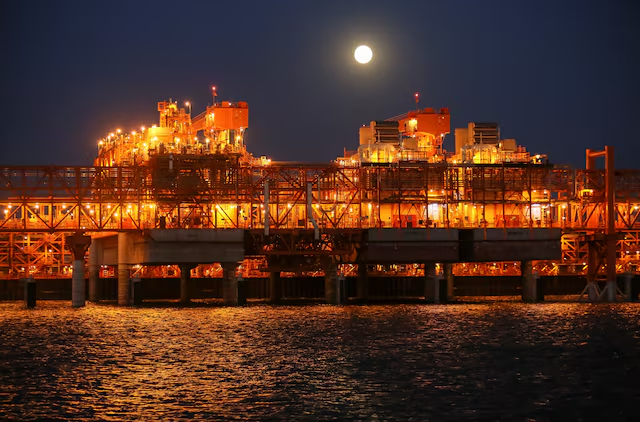
Oil prices moved higher on Friday as growing military tensions between the United States and Iran increased concerns over global energy supplies. Investors are closely watching developments in the Middle East, where threats to two of the world’s most important oil shipping routes have added fresh uncertainty to energy markets.
What Happened?
Global crude oil prices rose after fighting between the United States and Iran intensified over the past several days. Alongside the military escalation, markets reacted to reports that Iran has asked Yemen’s Houthi movement to be prepared to disrupt shipping through the Red Sea if attacks on Iranian infrastructure continue.
Brent crude, the international oil benchmark, and U.S. West Texas Intermediate (WTI) crude both recorded gains, extending a strong weekly rally driven largely by geopolitical concerns rather than changes in oil demand.
How Credible Is This News?
The rise in oil prices and the renewed military activity are confirmed by market data and multiple official reports. Reuters cited sources familiar with the situation regarding Iran’s communication with the Houthis, while financial markets immediately reflected growing fears of supply disruptions.
However, it is important to note that some reported developments—such as the possibility of the Red Sea shipping route being blocked—remain contingency plans rather than confirmed actions. The situation is still evolving, and governments involved have not publicly confirmed every reported detail.
Why Are Oil Markets Reacting So Strongly?
Oil prices are highly sensitive to geopolitical events, especially when they involve regions responsible for a large share of global energy exports.
The latest concerns focus on two strategically important waterways:
- The Strait of Hormuz, through which a significant share of the world’s seaborne crude oil normally passes.
- The Red Sea shipping route, connected through the Bab el-Mandeb Strait, which is another major corridor for oil and commercial trade.
If either route experiences prolonged disruption, transporting oil becomes slower, more expensive, and potentially more risky. Even before any actual supply shortage occurs, traders often build this risk into oil prices.
Background: Why the Middle East Matters to Global Energy
The Middle East remains one of the world’s largest oil-producing regions. Many countries—including India, China, Japan and several European nations—depend heavily on crude oil shipped through Gulf and Red Sea routes.
Whenever military conflict threatens these transportation corridors, shipping companies may reroute vessels, insurance costs can rise, and buyers often prepare for possible shortages. These expectations alone can increase crude prices well before physical supplies are affected.
Who Could Be Affected?
The impact of higher oil prices extends well beyond energy companies.
Potential beneficiaries include:
- Oil-producing countries that receive higher export revenues.
- Energy companies that may benefit from stronger crude prices.
- Some commodity investors who gain from rising energy markets.
Those likely to face challenges include:
- Oil-importing nations that must pay more for energy.
- Airlines and shipping companies dealing with higher fuel costs.
- Manufacturers whose production depends on petroleum products.
- Consumers if higher fuel costs eventually increase transportation and goods prices.
Countries that import most of their crude oil, including India, typically monitor such developments closely because sustained price increases can affect inflation and trade balances.
Confirmed Facts vs Market Expectations
Confirmed
- Oil prices have risen sharply during the week.
- Military tensions between the United States and Iran have intensified.
- Markets are responding to concerns about supply disruptions.
Market Analysis
At present, financial markets appear to be pricing in geopolitical risk rather than an immediate collapse in global oil supplies.
This means traders are preparing for the possibility of future disruptions instead of reacting to a confirmed worldwide shortage of crude oil. If diplomatic efforts reduce tensions, some of the recent price gains could ease. On the other hand, further escalation could keep energy markets volatile.
How Are Governments and Markets Responding?
Energy traders continue to monitor military developments across the region alongside official government statements.
Analysts are also watching whether additional sanctions, military operations, or shipping restrictions emerge in the coming days. International energy agencies and policymakers are expected to remain focused on maintaining stable energy supplies while avoiding further disruptions to global trade.
What Could Happen Next?
Several outcomes remain possible:
- Continued military escalation could keep oil prices elevated.
- Any disruption to major shipping lanes could create additional volatility.
- Diplomatic negotiations or de-escalation could reduce market fears.
- Investors will closely monitor official announcements from the countries involved rather than relying solely on market speculation.
Since the situation is still developing, oil prices may continue to fluctuate as new information becomes available.
Key Takeaways
- Oil prices are rising primarily because investors fear that escalating US-Iran tensions could disrupt global energy supplies.
- Concerns currently focus on key shipping routes in the Gulf and the Red Sea, although major long-term disruptions have not been confirmed.
- The next phase will largely depend on whether the conflict escalates further or diplomatic efforts help stabilize the region.