Sonam Wangchuk’s Hunger Strike Enters Day 20: What the Protest Is About and Why It Matters
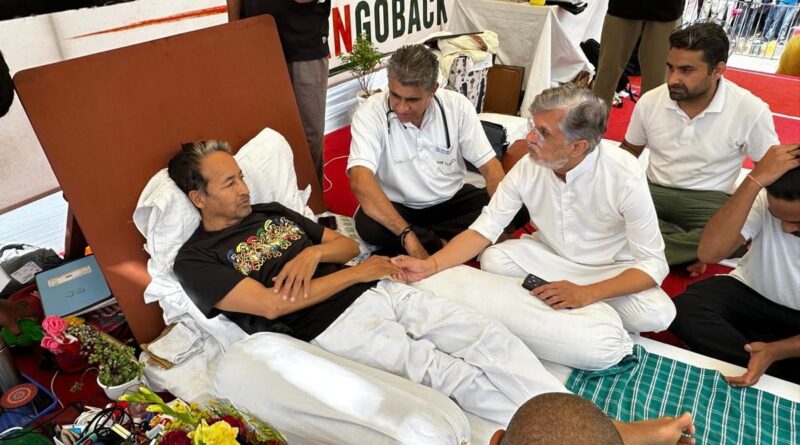
For nearly three weeks, education reform advocate and environmentalist Sonam Wangchuk has continued an indefinite hunger strike in New Delhi, drawing national attention to concerns over India’s examination system. As his health becomes a growing concern, the protest has expanded beyond one individual into a wider debate on accountability, student welfare and public trust in competitive examinations.
What Happened?
Sonam Wangchuk’s hunger strike entered its 20th day on July 17, with doctors warning that his condition has become increasingly serious after prolonged fasting. According to medical updates, he has lost significant body weight, although he has remained conscious and continued interacting with supporters.
The protest is taking place at Delhi’s Jantar Mantar, where Wangchuk joined demonstrators associated with the Cockroach Janta Party (CJP). The movement is demanding accountability over alleged irregularities in national competitive examinations, including the NEET controversy, and has called for the resignation of Union Education Minister Dharmendra Pradhan.
How Credible Is This Story?
The hunger strike and the concerns over Wangchuk’s health have been confirmed through court proceedings, official medical monitoring and reporting by multiple national and international news organisations.
The Delhi High Court has directed authorities to ensure daily medical examinations and provide medical intervention if doctors believe his condition requires it. This confirms that the situation is being officially monitored rather than remaining only a political claim.
At the same time, the broader political demands of the protesters remain matters of public debate. The government has not accepted the protesters’ demands, while the protest organisers continue to seek dialogue and accountability.
Why Is This Protest Significant?
The protest comes at a time when confidence in India’s competitive examination system has been questioned following multiple allegations of paper leaks and examination irregularities.
For millions of students, competitive exams determine access to higher education and future careers. Any doubts about fairness can create anxiety among candidates and reduce public confidence in the system.
Wangchuk’s participation has also increased public attention because he is widely known for his work in education and sustainable development. His decision to undertake a prolonged fast has turned the issue into a broader discussion about government accountability and institutional reform rather than a single examination controversy.
Understanding the Background
The immediate trigger for the protests was public concern over alleged irregularities in national entrance examinations, particularly NEET.
Student groups and activists argue that repeated examination controversies undermine years of preparation by candidates and create uncertainty for families investing heavily in education.
The organisers believe stronger safeguards, greater transparency and accountability are needed to restore trust in the examination process. Government agencies have already taken several actions in recent months regarding examination security, but protesters argue that more systemic reforms are necessary.
Who Could Be Affected?
Several groups have a stake in how this situation develops:
- Students: They remain the most directly affected because examination credibility influences educational opportunities.
- Parents and families: Confidence in public examinations affects long-term educational planning.
- Government and education authorities: The protest places additional pressure on policymakers to demonstrate transparency and strengthen examination systems.
- Educational institutions: Continued public concern may increase demands for better security and oversight across entrance examinations.
What Could Change Next?
In the Short Term
Authorities are expected to continue monitoring Wangchuk’s health following the High Court’s directions.
The protest organisers have announced further demonstrations, including a planned march to Parliament, while seeking wider public support for their demands.
In the Longer Term
If public pressure continues, the debate may lead to renewed discussions on:
- Examination security reforms
- Greater institutional accountability
- Faster investigation of paper leak allegations
- Additional safeguards for national competitive examinations
Whether these discussions translate into policy changes will depend on political negotiations and future government decisions.
How Are Different Stakeholders Responding?
Reactions have remained mixed.
Supporters argue that the hunger strike highlights genuine concerns affecting millions of students and deserves government engagement.
Several public figures have appealed to Wangchuk to end the fast while simultaneously urging authorities to open dialogue with the protesters. Meanwhile, the legal system has focused primarily on protecting his health through medical supervision rather than commenting on the political demands themselves.
The central government has indicated that any medical intervention will follow doctors’ recommendations, while the larger policy demands remain unresolved.
What Should Readers Expect Next?
The immediate focus is likely to remain on Wangchuk’s health as doctors continue daily assessments.
Attention will also shift to whether the planned demonstrations attract broader participation and whether the government chooses to engage with protest representatives.
At present, there has been no official indication that the main demands of the protesters have been accepted. The situation therefore remains a developing story.
Key Takeaways
- Sonam Wangchuk’s hunger strike has entered its 20th day, with court-directed daily medical monitoring now in place due to concerns about his health.
- The protest has become part of a larger national debate over examination integrity, accountability and public confidence in India’s education system.
- While the health situation is officially confirmed, the political demands remain unresolved, making the coming days important for both public dialogue and government response.