Kerala Toddler Suffers Brain Damage After Surgery; Anaesthetist Booked as Probe Continues
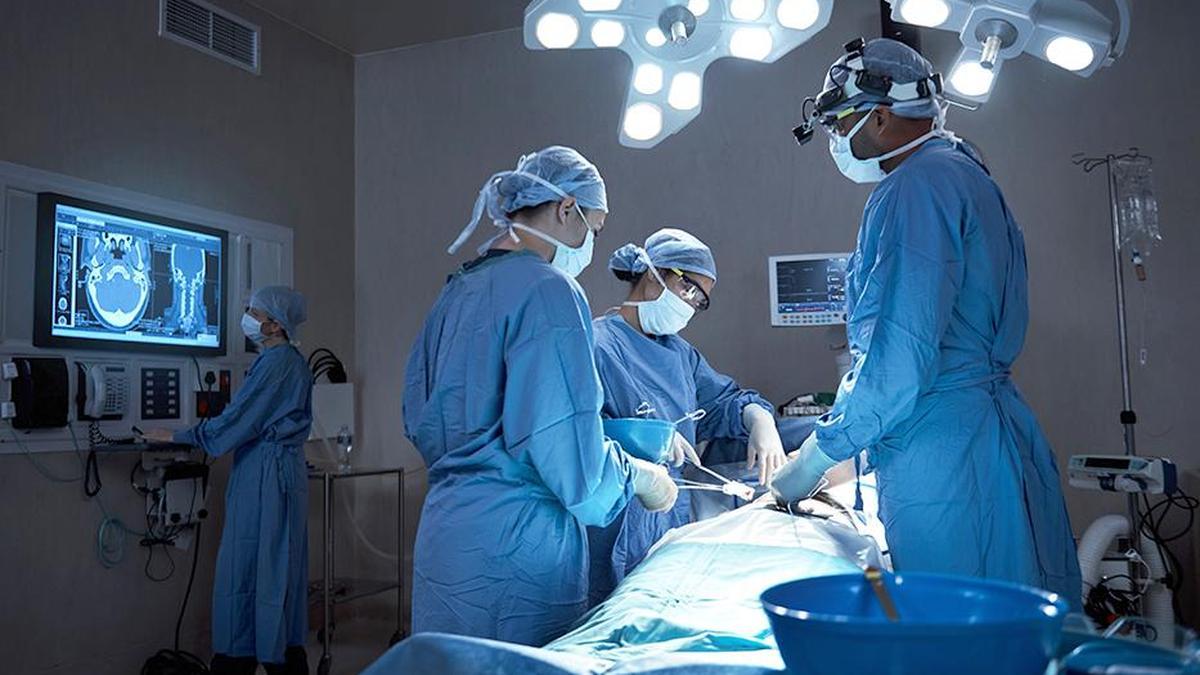
A toddler in Kerala has suffered serious brain damage following a medical procedure, leading authorities to register a case against the anaesthetist involved. The incident has raised questions about medical safety protocols, accountability, and the need for a detailed investigation into what went wrong during treatment.
The case is currently under investigation, and authorities have not yet reached a final conclusion about responsibility. Medical experts have stressed that a complete assessment is necessary before determining whether negligence occurred.
What Happened in Kerala?
According to reports, a toddler underwent a medical procedure in Kerala during which anaesthesia was administered. Following the procedure, the child developed severe complications and was later diagnosed with brain damage.
The child’s family alleged that medical negligence during the administration of anaesthesia contributed to the condition. Based on the complaint, police registered a case against the anaesthetist involved.
The exact sequence of events, including the child’s medical condition before the procedure and the actions taken during treatment, is expected to be examined as part of the investigation.
Police Case Registered, Investigation Underway
The case against the anaesthetist is based on allegations made by the child’s family. Registration of a case allows authorities to investigate the circumstances surrounding the incident, but it does not establish guilt.
Medical records, hospital procedures, expert opinions, and statements from healthcare professionals will play an important role in determining whether any medical guidelines were violated.
At this stage, the matter remains under investigation, and further details are expected as authorities review the evidence.
Why Anaesthesia Safety Is a Major Concern
Anaesthesia is a critical part of many surgeries and medical procedures. It involves using medicines to prevent pain and control a patient’s consciousness during treatment.
Although modern anaesthesia is generally considered safe, it requires careful monitoring because complications can occur, especially in young children or patients with existing health conditions.
Safety measures typically include:
- Monitoring oxygen levels, heart rate, and breathing throughout the procedure
- Assessing the patient’s medical history before administering anaesthesia
- Having emergency equipment and trained staff available
- Continuous observation during recovery after the procedure
Any failure in these steps can have serious consequences, which is why anaesthesia-related incidents are closely examined.
The Larger Issue: Medical Accountability and Patient Safety
Cases involving possible medical negligence often create concerns among patients and healthcare providers alike.
For families, such incidents highlight the importance of transparency, access to medical records, and clear communication from hospitals.
For doctors and medical institutions, these cases underline the need for strict adherence to safety standards and proper documentation of every stage of treatment.
However, experts also caution against reaching conclusions before investigations are completed. Not every medical complication automatically indicates negligence, as some risks can exist even when standard procedures are followed.
Who Is Affected by the Incident?
The Child and Family
The toddler and the family are the most directly affected. Apart from the child’s medical condition, the family faces emotional stress and uncertainty while seeking answers and further treatment.
Medical Professionals and Hospitals
Healthcare workers involved in anaesthesia and surgery may face increased scrutiny after such incidents. Hospitals may also review their safety systems and emergency response procedures.
The Public Healthcare System
Such cases can influence public confidence in medical facilities and may lead to demands for stronger monitoring mechanisms, especially in procedures involving children.
Possible Impact on Healthcare Practices
If investigations identify gaps in medical procedures, the incident could encourage hospitals to strengthen safety measures.
Possible changes could include:
- More detailed pre-procedure assessments
- Improved monitoring systems during surgeries
- Additional training requirements for medical staff
- Greater emphasis on reporting and reviewing medical complications
However, any changes would depend on the findings of the official investigation.
How Are Authorities and Medical Experts Responding?
Authorities are focusing on collecting evidence and determining the circumstances behind the child’s condition.
Medical professionals are likely to examine whether the treatment followed accepted standards and whether any avoidable errors occurred.
Patient rights groups often call for transparency in such cases, while doctors’ organisations generally emphasise the importance of evidence-based investigations rather than assumptions based on outcomes alone.
What Happens Next?
The next steps will depend on the findings of the investigation. Authorities may examine medical documents, question individuals involved, and seek expert medical opinions.
The case could lead to further legal action if investigators find evidence of negligence. If no wrongdoing is established, the matter may be treated as a medical complication rather than a criminal offence.
For now, the focus remains on determining the facts and ensuring appropriate care for the child.
Key Takeaways
- A Kerala toddler suffered brain damage after a medical procedure, and police have registered a case against the anaesthetist involved.
- The allegations are under investigation, and responsibility has not yet been established.
- The case highlights the importance of strict anaesthesia safety standards, medical transparency, and careful investigation of healthcare incidents.