Lionel Messi Rejects Favouritism Claims as Argentina Reach Another FIFA World Cup Final
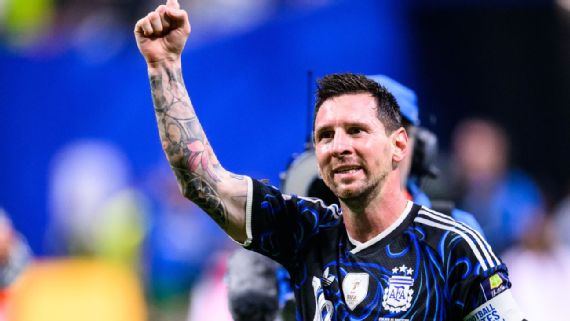
Argentina captain Lionel Messi has responded to criticism surrounding his team’s journey to the 2026 FIFA World Cup final, insisting that Argentina earned its place through performances on the field rather than outside influence. His comments came after the defending champions secured a dramatic comeback victory over England to book another appearance in football’s biggest match.
What Happened?
Argentina defeated England 2-1 in the FIFA World Cup semi-final after coming from behind in the closing stages of the match. Although Lionel Messi did not score, he played a decisive role by creating both Argentine goals.
Following the victory, Messi addressed growing claims circulating on social media and among some critics that Argentina had received favourable treatment during the tournament. He rejected those allegations, saying that every result had been earned through the team’s work, determination and performances on the pitch.
How Credible Is This Story?
Messi’s comments are confirmed and were made publicly after Argentina’s semi-final victory. Reports from multiple established sports news organizations have carried his remarks.
However, the broader allegations of FIFA favouritism remain opinions expressed by critics rather than proven facts. No official investigation or evidence has established that Argentina received unfair sporting advantages in reaching the final. While refereeing decisions have generated debate—as they often do during major tournaments—there has been no official confirmation supporting claims of match manipulation or systematic bias.
Why Has Argentina Faced These Accusations?
Argentina’s run to another World Cup final has attracted enormous global attention, largely because of Lionel Messi’s legendary status and the team’s attempt to defend its world title.
As with many major sporting events, controversial refereeing decisions and close matches have led to intense discussion online. Some supporters of rival teams have argued that certain decisions favoured Argentina, while others believe the team has simply shown resilience by repeatedly producing late comebacks under pressure.
Without verified evidence, these remain competing viewpoints rather than established facts.
Why This Matters Beyond One Match
The discussion extends beyond Argentina’s victory.
Modern football depends heavily on public confidence in fair competition. Whenever allegations of bias gain attention, even without proof, they can affect:
- Trust in refereeing and the Video Assistant Referee (VAR) system.
- FIFA’s reputation as the organiser of international football.
- Public perception of tournament results.
- The experience of players whose achievements may be questioned despite strong performances.
Messi’s response reflects a broader concern shared by many athletes—that years of preparation and success should not be dismissed because of unverified claims circulating online.
Different Perspectives on the Debate
Argentina’s Position
Messi and the Argentine camp maintain that the team’s place in the final is the result of quality football, tactical discipline and persistence. Their comeback victories have reinforced their belief that the squad has earned every result.
Critics’ View
Some football fans continue to question refereeing decisions and believe Argentina has benefited from favourable circumstances during the tournament. Much of this discussion has taken place on social media and fan forums rather than through official sporting bodies.
Neutral Observers
Many analysts point out that refereeing decisions are regularly debated in World Cups regardless of which teams are involved. They argue that extraordinary performances often attract extraordinary scrutiny, especially when they involve globally recognised players such as Messi.
Who Is Affected?
Several groups are influenced by this ongoing debate.
Argentina and its players
- Continue defending their achievements against public criticism.
- Face increased pressure ahead of the World Cup final.
FIFA
- Must preserve confidence in officiating standards and tournament integrity.
- Continues to face scrutiny whenever controversial decisions dominate headlines.
Football supporters
- Remain divided between those celebrating Argentina’s performances and those questioning aspects of the tournament.
Broadcasters and sponsors
- Benefit from heightened global interest, as discussions surrounding high-profile teams often increase television audiences and online engagement.
Could This Lead to Bigger Changes?
No immediate rule changes have been announced because of these allegations.
However, debates over officiating could renew discussions around:
- Greater transparency in VAR decisions.
- Improved communication between referees and spectators.
- Continued investment in officiating technology.
- Stronger efforts by football authorities to address misinformation surrounding major tournaments.
These conversations have appeared after previous international competitions whenever controversial refereeing decisions became major talking points.
What Should Fans Expect Next?
Attention will now shift to the FIFA World Cup final, where Argentina will attempt to defend its title.
The controversy surrounding favouritism claims is likely to continue online, particularly if further contentious refereeing decisions occur. Unless governing bodies present new evidence or open official investigations, the debate is expected to remain largely opinion-based rather than fact-based.
Key Takeaways
- Lionel Messi has firmly rejected claims that Argentina received special treatment, saying the team earned its place in the World Cup final through its performances.
- While criticism over refereeing decisions continues, there is currently no official evidence proving Argentina benefited from systematic favouritism.
- As Argentina prepares for another World Cup final, the focus is likely to remain on both their footballing achievements and the wider debate over fairness and officiating in international football.