E20 Petrol Debate Intensifies as Tehseen Poonawalla Seeks Public Meeting With Nitin Gadkari: Why the Issue Is Growing Bigger
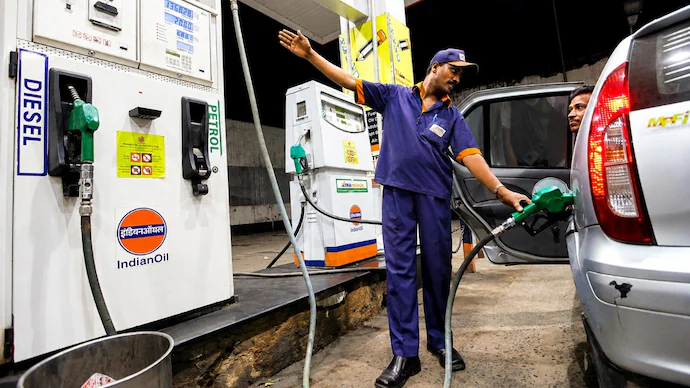
India’s nationwide shift to E20 petrol has moved beyond a technical policy discussion and into the public spotlight. Entrepreneur and political commentator Tehseen Poonawalla has now sought a live public meeting with Union Road Transport and Highways Minister Nitin Gadkari, arguing that vehicle owners deserve direct answers to their concerns over ethanol-blended fuel.
The latest development comes as the government continues to defend the E20 programme, while criticism from some motorists, opposition leaders and consumer groups continues to grow.
What Happened?
Tehseen Poonawalla has challenged Union Minister Nitin Gadkari to participate in a public, live discussion on the government’s E20 petrol policy. The demand follows recent protests against mandatory ethanol-blended petrol and growing debate over whether motorists should have the option to purchase conventional petrol instead of E20.
The request comes after Gadkari publicly defended the ethanol programme, dismissing allegations that E20 fuel harms vehicles and rejecting claims that he personally benefits from the policy. He also said complaints about vehicle damage should be backed by evidence and investigated through manufacturers and dealers.
At the time of writing, there has been no official confirmation that such a public meeting or debate will take place.
How Credible Is This Development?
The request for a live discussion has been made publicly and is part of an ongoing campaign led by Poonawalla against the E20 rollout. However, it is important to distinguish between confirmed facts and political demands.
Confirmed:
- Poonawalla has been leading protests against the E20 mandate.
- Gadkari has publicly defended the policy in interviews.
- The government continues to support nationwide ethanol blending.
Not confirmed:
- There is no official announcement that Gadkari has accepted the invitation for a live public discussion.
- Claims made by protesters regarding vehicle damage remain disputed and have not been universally established.
Understanding E20 Petrol
E20 petrol is regular petrol blended with 20% ethanol, a renewable fuel produced mainly from sugarcane, maize and other agricultural feedstocks.
India accelerated the rollout of E20 as part of its broader energy strategy. The policy aims to:
- Reduce dependence on imported crude oil.
- Lower carbon emissions from transport.
- Increase income opportunities for farmers by creating demand for ethanol crops.
- Strengthen India’s energy security by producing more fuel domestically.
Supporters describe ethanol blending as an important long-term transition toward cleaner transport fuels.
Why Has the Policy Become Controversial?
Much of the public debate centres on everyday driving experience rather than the environmental objective.
Some motorists claim they have experienced:
- Reduced fuel efficiency.
- Higher running costs due to lower mileage.
- Concerns about compatibility with older vehicles.
Many automobile manufacturers have stated that newer vehicles are designed to operate on E20 fuel. However, questions continue to be raised about older models that were not originally engineered for higher ethanol blends.
The government has maintained that extensive testing was carried out before implementation and that there is no verified evidence showing E20 causes widespread engine damage.
Different Stakeholders See the Policy Differently
Government’s Position
The Centre argues that ethanol blending delivers multiple long-term benefits beyond transport.
According to the government, the programme helps:
- Reduce expensive crude oil imports.
- Improve India’s energy independence.
- Cut greenhouse gas emissions.
- Create additional demand for agricultural produce used in ethanol production.
Officials have also emphasised that similar ethanol-blended fuels are used in several other countries.
Critics’ Concerns
Opponents argue that consumers should not bear additional operating costs if mileage decreases.
Some have also demanded:
- Independent scientific studies released publicly.
- Greater transparency regarding testing.
- Availability of multiple petrol options instead of only E20.
- More consultation before expanding ethanol blending further.
Who Could Benefit — and Who Could Be Affected?
Potential beneficiaries
- Farmers supplying ethanol feedstock such as sugarcane and maize.
- Domestic ethanol producers.
- The government, if reduced fuel imports lower India’s import bill.
- The environment, if lifecycle emissions decline as intended.
Groups raising concerns
- Owners of older petrol vehicles worried about compatibility.
- Drivers who report reduced mileage and higher fuel expenses.
- Consumer groups seeking greater fuel choice before future blending targets are introduced.
Analysis: Why This Debate Matters Beyond Fuel
The controversy reflects a broader policy challenge facing governments worldwide.
Large-scale environmental transitions often require balancing long-term national goals with short-term consumer experience. Even if a policy promises economic or environmental gains, public acceptance can weaken if people believe they are paying more or receiving fewer benefits in daily life.
The E20 debate has therefore become about more than ethanol itself. It now includes questions about transparency, consumer choice, scientific communication and how major policy changes are introduced.
This interpretation is based on current public reactions and should not be viewed as a statement of established fact.
What Could Happen Next?
Several developments are possible over the coming weeks:
- The government may continue public outreach explaining the science behind E20.
- Additional technical studies or industry data could be highlighted to address consumer concerns.
- Critics may continue protests and seek greater public engagement.
- Policymakers could face increasing pressure to clarify whether alternative fuel choices should remain available for older vehicles.
For now, there is no indication that the government intends to reverse its ethanol-blending programme.
Key Takeaways
- The latest controversy centres on Tehseen Poonawalla’s demand for a live public discussion with Nitin Gadkari over India’s E20 petrol policy.
- While the government maintains that E20 is safe and beneficial for India’s economy and environment, critics continue to question its impact on fuel efficiency and older vehicles.
- The debate is likely to remain focused on balancing India’s clean-energy ambitions with consumer confidence, transparency and practical concerns on the road.