India’s Retail Inflation Rises to 4.38% in June: What Higher Consumer Prices Mean for Households and the Economy
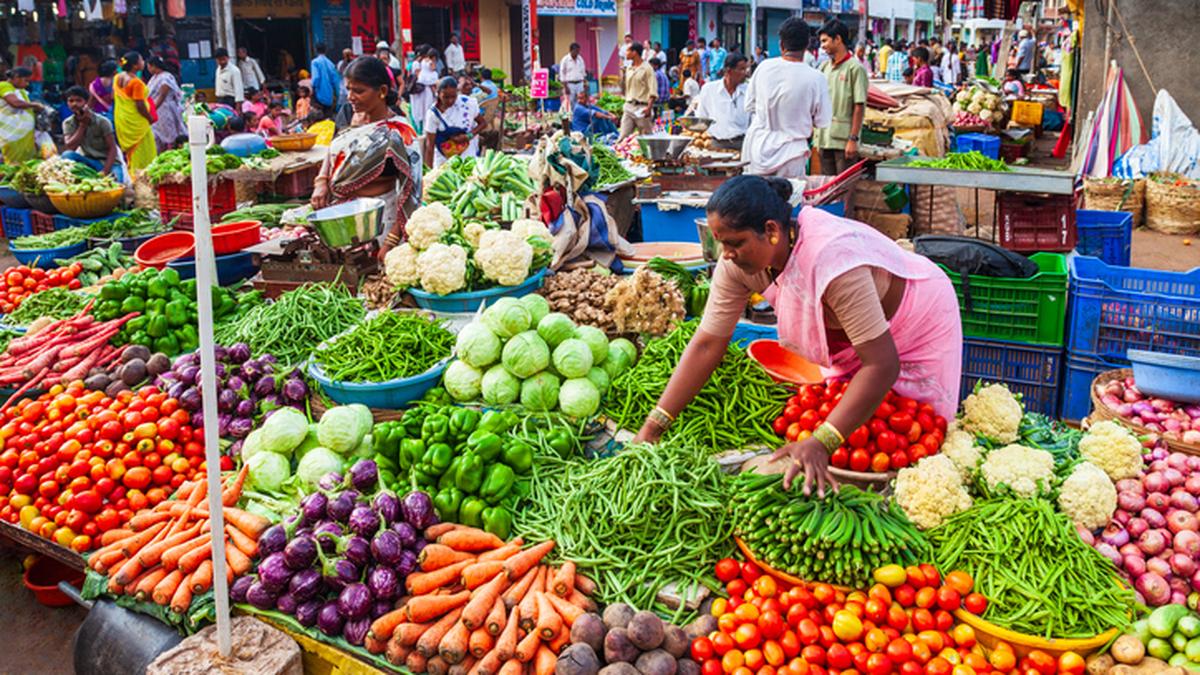
India’s retail inflation moved higher in June, ending several months of relatively softer price growth. Fresh government data shows that rising food costs were the biggest reason behind the increase, pushing inflation above the Reserve Bank of India’s (RBI) medium-term target of 4%, although it still remains within the central bank’s acceptable range.
The latest figures matter not only for policymakers but also for ordinary consumers, businesses, and financial markets, as inflation influences everything from grocery bills to borrowing costs.
What Happened?
According to provisional data released by the Ministry of Statistics and Programme Implementation (MoSPI), India’s Consumer Price Index (CPI)-based retail inflation increased to 4.38% in June, up from 3.93% in May. Food inflation also accelerated, with the Consumer Food Price Index (CFPI) rising to 5.32% during the month.
The increase was largely driven by higher prices of food items, while fuel and some other consumer categories also contributed to the overall rise in living costs. The latest reading places headline inflation above the RBI’s 4% target for the first time in several months, though it remains within the central bank’s broader tolerance band of 2% to 6%.
How Credible Is This News?
This is an official and confirmed development.
The inflation figures come directly from the Ministry of Statistics and Programme Implementation (MoSPI) through its monthly Consumer Price Index release. The data has also been widely reported by established financial news organisations and international agencies. While the figures are currently marked as provisional, revisions, if any, are usually limited.
Understanding Retail Inflation in Simple Terms
Retail inflation measures how much the prices paid by consumers for everyday goods and services have changed compared with the same month a year earlier.
The Consumer Price Index includes products and services such as:
- Food and beverages
- Clothing
- Housing
- Fuel and electricity
- Healthcare
- Education
- Transport
- Household essentials
When inflation rises, consumers generally need to spend more money to buy the same basket of goods and services.
Why Did Inflation Increase?
Government data indicates that food prices remained the primary driver behind June’s inflation increase. Food inflation climbed above 5%, reflecting higher prices across several essential items consumed by households.
Analysts also note that fuel costs and transport-related expenses added to inflationary pressures during the month. Global crude oil movements and weather conditions affecting agricultural production continue to influence domestic prices.
Why Does This Matter?
Inflation affects nearly every part of the economy.
For households, higher inflation means everyday expenses—from groceries to transportation—can become more expensive. Lower-income families are often affected the most because a larger share of their income is spent on essential items such as food.
For businesses, rising input costs may reduce profit margins or lead companies to increase prices further.
For policymakers, inflation influences decisions on interest rates. If inflation remains elevated for a prolonged period, the RBI may have to consider tighter monetary policy to keep prices under control.
Who Gains and Who Faces Challenges?
Consumers
Most consumers face higher living costs when inflation rises, particularly if wage growth does not keep pace.
Farmers
Some farmers may benefit if agricultural prices remain strong, although gains depend on crop type, production costs, and market conditions.
Businesses
Companies dealing in consumer goods may experience mixed effects. Higher prices can increase revenues, but rising raw material and transportation costs can also squeeze profits.
Banks and Borrowers
Future interest-rate decisions become more significant. If inflation stays elevated, borrowing costs for home loans, vehicle loans, and business financing could eventually be affected.
What Could Change Next?
Confirmed Facts
The RBI’s inflation target remains 4%, with an acceptable range of 2% to 6%. June’s inflation has crossed the target but remains within the permitted band.
Analysis
Much will depend on how food prices behave in the coming months. Factors such as the monsoon, agricultural output, global energy prices, and geopolitical developments could influence future inflation readings.
Economists are divided over the timing of any policy response. Some believe the RBI may wait for additional inflation data before making changes to interest rates, while others see rising price pressures increasing the likelihood of tighter monetary policy if inflation remains above target.
How Are Different Stakeholders Likely to Respond?
Government: Authorities are expected to continue monitoring food supplies and inflation trends while assessing whether any measures are needed to ease price pressures.
Reserve Bank of India: The central bank will closely watch upcoming inflation data before future monetary policy meetings, balancing inflation control with economic growth.
Economists: Many experts believe inflation risks remain linked to food prices, weather conditions, and global commodity markets, although views differ on whether interest rates need to change immediately.
Consumers: Households may continue adjusting spending priorities if prices of essential goods remain elevated over the coming months.
What Should Readers Expect Next?
The next few monthly inflation reports will be closely watched.
If food prices stabilise and weather conditions support agricultural production, inflation could moderate. However, any sustained increase in fuel prices or supply disruptions may keep inflation under pressure.
Future RBI policy decisions will likely depend on whether June’s increase proves temporary or becomes part of a broader upward trend.
Key Takeaways
Consumers should keep an eye on food and fuel prices, as they will play a major role in determining how inflation evolves in the coming months.
India’s retail inflation rose to 4.38% in June, mainly due to higher food prices, according to official government data.
Inflation has moved above the RBI’s 4% target but remains within its permitted range of 2% to 6%, meaning policymakers are likely to monitor upcoming data before taking major action.