How a Shark-Themed Learning Event Is Helping Students See Ocean Predators Differently
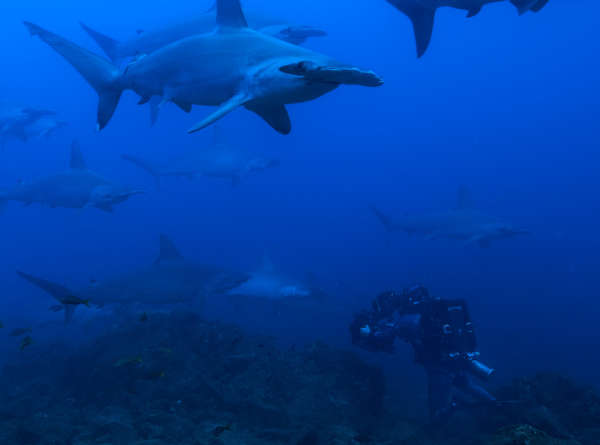
Sharks are often portrayed as dangerous animals in films and popular culture. A recent educational initiative by National Geographic and Scholastic is taking a different approach by introducing students to the science, ecology, and conservation of sharks through an interactive learning experience.
The program combines education with hands-on activities, aiming to replace fear with curiosity while encouraging young people to better understand one of the ocean’s most important species.
What Happened?
National Geographic and Scholastic organized a shark-focused educational event as part of their Discovery Fair initiative. The program gave students an opportunity to learn directly from experts about shark biology, marine ecosystems, and ocean conservation.
Rather than focusing on dramatic shark encounters, the event highlighted scientific research, environmental awareness, and the important role sharks play in maintaining healthy oceans. Students participated in educational discussions and activities designed to make marine science more accessible and engaging.
How Credible Is This News?
This is a confirmed educational initiative jointly associated with National Geographic and Scholastic. The event has been reported through Scholastic’s Kid Reporters platform and aligns with National Geographic’s long-running efforts to promote science education and wildlife conservation.
There are no significant disputes regarding the event itself. The broader scientific information presented about sharks is consistent with established marine research and conservation messaging.
Why Does This Matter?
Although sharks are frequently associated with danger, marine scientists have long argued that public perception often differs from scientific reality.
Sharks serve as apex predators, meaning they help regulate marine food chains and maintain ecological balance. When shark populations decline, the effects can spread throughout entire ocean ecosystems.
Educational programs like this matter because they introduce students to evidence-based information at an early age, helping them understand both the environmental importance of sharks and the challenges these animals face due to overfishing, habitat loss, and illegal wildlife trade.
Understanding the Bigger Picture
Many shark species have existed for hundreds of millions of years, surviving major changes in Earth’s history. Despite that resilience, scientists warn that many populations are now under increasing pressure from human activities.
Conservation groups have raised concerns over:
- Commercial overfishing
- Accidental capture in fishing operations
- Demand for shark fins in some markets
- Damage to marine habitats
- Climate-related changes affecting ocean ecosystems
Educational outreach is increasingly viewed as one way to encourage future generations to support marine conservation.
Who Benefits?
Several groups stand to benefit from initiatives like this.
Students
- Gain practical exposure to marine science.
- Develop critical thinking through expert-led discussions.
Teachers and Schools
- Receive educational resources that support science learning beyond textbooks.
Scientists and Conservation Organisations
- Gain greater public awareness for ongoing conservation efforts.
Marine Ecosystems
- Better public understanding can contribute to stronger long-term support for conservation policies and sustainable ocean management.
Unlike commercial entertainment focused on sharks, educational programs primarily aim to improve scientific literacy rather than generate excitement through fear.
Different Perspectives
Scientists generally support educational efforts that explain shark behaviour using research rather than myths.
Conservation advocates believe informed communities are more likely to support marine protection measures.
Some educators also see wildlife-focused learning as an effective way to encourage students to pursue careers in biology, environmental science, and conservation.
At the same time, experts acknowledge that educational programs alone cannot solve conservation challenges. Effective protection also depends on fisheries management, international cooperation, and enforcement of environmental regulations.
Could This Lead to Wider Changes?
While a single educational event is unlikely to create immediate policy changes, similar programs can have longer-term effects by improving environmental awareness.
Possible long-term outcomes include:
- Greater student interest in STEM subjects.
- Increased public understanding of marine biodiversity.
- Stronger support for conservation initiatives.
- Better appreciation of the ecological role of sharks.
Education is often considered an important first step toward encouraging informed environmental decisions later in life.
What Should Readers Expect Next?
National Geographic and Scholastic regularly conduct educational programs covering wildlife, science, and environmental topics. Similar initiatives focusing on oceans, biodiversity, and climate education are likely to continue as schools place greater emphasis on environmental literacy.
Researchers are also expected to continue studying shark populations and ocean ecosystems, providing new findings that may shape future educational content and conservation strategies.
Key Takeaways
- National Geographic and Scholastic have used a shark-themed educational event to help students learn about marine science and ocean conservation.
- The initiative is based on established scientific understanding rather than sensational portrayals of sharks.
- Improving public knowledge about sharks may contribute to stronger long-term support for protecting marine ecosystems.