Puri Rath Yatra 2026 Begins as Centuries-Old Rituals Mark Lord Jagannath’s Annual Journey
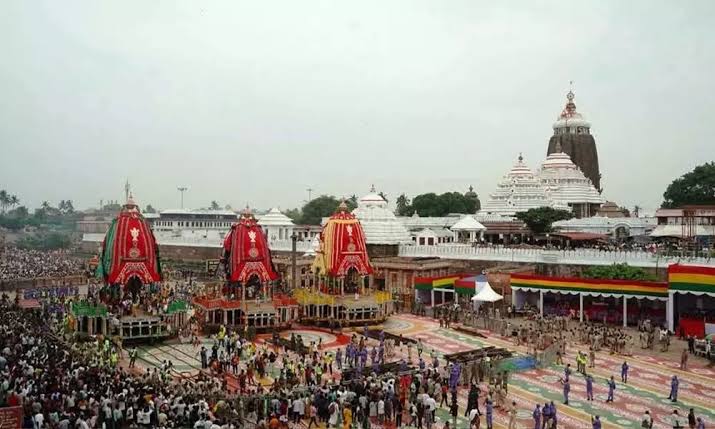
The world-famous Puri Rath Yatra has begun in Odisha, with the traditional rituals marking the start of Lord Jagannath’s annual journey alongside Lord Balabhadra and Devi Subhadra. The festival, which attracts millions of devotees from India and abroad, is one of the country’s largest religious gatherings and a major event in Odisha’s cultural calendar.
As the ceremonies commenced, authorities also implemented extensive security, traffic management, and crowd-control measures to ensure the smooth conduct of the festival amid the expected surge of pilgrims.
What Happened?
The annual Rath Yatra began with traditional temple rituals before the deities were ceremonially taken out of the Jagannath Temple to their massive wooden chariots. The three sibling deities will travel approximately three kilometres to the Gundicha Temple, where they will remain for several days before returning during the Bahuda Yatra.
The procession is regarded as one of Hinduism’s most significant public religious events because it allows devotees to have the darshan of the deities outside the temple premises.
How Credible Is This Development?
This is a confirmed and officially conducted religious event.
The commencement of the Rath Yatra has been announced by the Shree Jagannath Temple Administration and reported by multiple established news organisations. Government agencies have also confirmed that elaborate security and administrative arrangements are in place for the festival.
There are currently no major factual disputes regarding the beginning of this year’s festival. However, operational updates related to crowd movement, weather, and timings may continue to evolve throughout the day.
Why Does the Rath Yatra Matter?
The Rath Yatra is far more than a religious procession. It represents centuries of living tradition, Odisha’s cultural identity, and one of India’s most recognised spiritual festivals.
Unlike regular days, when access to the Jagannath Temple is restricted, the festival symbolises the deities coming out to bless everyone. This idea has helped make the Rath Yatra a symbol of inclusiveness and public participation in religious life.
The festival also preserves traditional craftsmanship. Every year, new wooden chariots are constructed using age-old methods by generations of skilled artisans, keeping ancient techniques alive.
Economic and Social Impact
The Rath Yatra has a significant economic footprint beyond its religious importance.
Thousands of local businesses depend on the festival season, including:
- Hotels and guest houses
- Restaurants and food vendors
- Transport operators
- Handicraft sellers
- Local retailers
- Tourism-related businesses
For Odisha, the event generates substantial tourism activity and provides seasonal employment to many workers.
At the same time, the enormous crowds create logistical challenges. Authorities must manage transportation, sanitation, emergency medical services, and public safety while ensuring that the religious ceremonies continue without disruption.
Security and Administrative Preparations
Managing one of the country’s largest religious gatherings requires months of planning.
Officials have deployed multiple layers of security personnel, improved surveillance systems, strengthened crowd-control mechanisms, and arranged additional transport facilities to handle the influx of visitors. Railways and local administration have also introduced special arrangements to improve passenger movement during the festival.
These preparations are intended to minimise congestion while ensuring the safety of devotees.
How Different Stakeholders View the Festival
Different groups see the Rath Yatra from different perspectives.
Devotees consider it a rare spiritual opportunity to participate in pulling the chariots and witnessing the deities outside the temple.
Temple authorities focus on preserving centuries-old rituals while coordinating with government agencies.
The Odisha government and local administration prioritise security, crowd management, tourism, and emergency response.
Local businesses view the festival as one of the busiest commercial periods of the year due to increased visitor spending.
What Happens Next?
The deities will remain at the Gundicha Temple for several days as part of the traditional schedule.
The next major milestone will be the Bahuda Yatra, the return journey to the Jagannath Temple. This will be followed by important rituals such as Suna Besha, when the deities are adorned with gold ornaments, and Niladri Bije, which marks their ceremonial return to the temple sanctum.
Authorities are expected to continue issuing updates on crowd management, transportation, and public advisories throughout the festival.
Analysis
The Rath Yatra illustrates how India’s major religious festivals extend beyond faith into governance, tourism, heritage conservation, and local economic activity.
Each year, the event tests the ability of public authorities to manage millions of visitors while preserving ancient traditions. At the same time, it highlights Odisha’s cultural identity on a global stage and reinforces the importance of safeguarding intangible cultural heritage alongside modern infrastructure.
Its continued popularity also demonstrates how historic festivals remain socially and economically relevant in contemporary India.
Key Takeaways
- The 2026 Puri Rath Yatra has officially begun with traditional rituals marking Lord Jagannath’s annual journey alongside Lord Balabhadra and Devi Subhadra.
- The festival is one of India’s largest religious gatherings and carries major cultural, economic, and tourism significance for Odisha.
- As celebrations continue over the coming days, authorities will remain focused on ensuring public safety while preserving centuries-old religious traditions.