Sonam Wangchuk’s Health Worsens During Hunger Strike: What the Latest Medical Update Means
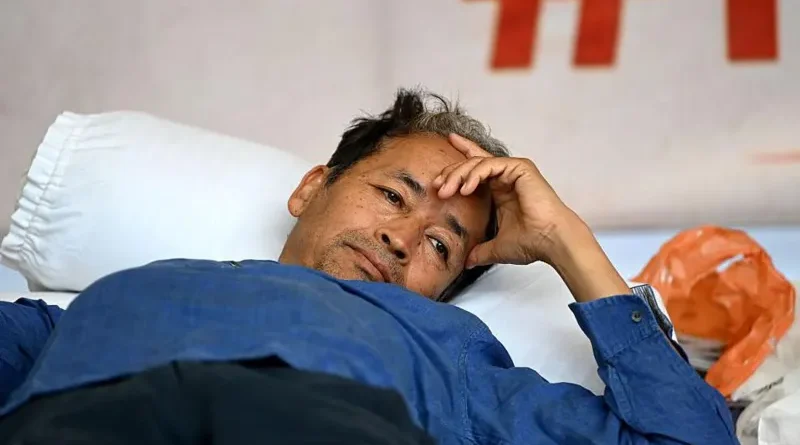
Climate activist and education reform advocate Sonam Wangchuk has entered a critical stage of his indefinite hunger strike, with doctors reporting significant weight loss and growing health concerns. While supporters continue to back his protest, authorities are also facing increasing pressure to ensure his safety and respond to the issues he has raised.
What Happened?
Sonam Wangchuk has now spent nearly three weeks on an indefinite hunger strike at Delhi’s Jantar Mantar. According to doctors monitoring his condition, he has lost more than nine kilograms since the protest began, and his physical condition has weakened considerably.
Medical professionals attending him have warned that prolonged fasting may soon lead to more serious complications, including damage to vital organs if nutrition is not restored. Despite repeated appeals from doctors and supporters, Wangchuk has continued with the protest, saying his demands remain unresolved.
How Credible Is This Development?
This is a confirmed development based on medical updates issued by Wangchuk’s attending doctor and statements from people associated with the protest. Multiple national news organisations have independently reported his deteriorating health.
At the same time, the broader political demands behind the protest remain contested. Supporters argue that the issues deserve urgent government attention, while the government has not publicly accepted the protesters’ position. Readers should therefore distinguish between the verified medical condition and the political claims being debated.
Why Is Wangchuk Protesting?
The hunger strike forms part of a wider protest demanding greater accountability over alleged irregularities in major public examinations, including concerns raised after the NEET controversy. Protest organisers have also sought political accountability from the Union Education Ministry.
For Wangchuk, the fast has become a symbolic method of drawing public attention to these concerns after repeated appeals for action. Hunger strikes have historically been used in India as a peaceful form of protest intended to pressure governments through public opinion rather than force.
Why This Matters Beyond One Protest
Although the immediate issue concerns Wangchuk’s health, the situation reflects larger questions about:
- Public trust in national examination systems.
- Government accountability during public protests.
- The balance between peaceful democratic protest and state response.
- The health risks faced by individuals who undertake indefinite fasts.
For students and parents, the protest also keeps attention focused on confidence in competitive examinations, an issue that affects millions of candidates across India.
Health Risks Continue to Increase
Doctors say that the human body initially survives prolonged fasting by using stored energy reserves. As fasting continues, however, muscle tissue begins to break down, blood pressure and blood sugar may decline, and the risk of organ-related complications rises significantly.
Medical experts stress that these dangers increase with each passing day, which explains why Wangchuk remains under continuous medical observation.
How Different Stakeholders Are Responding
Supporters
Supporters, civil society groups and several public figures have expressed concern over Wangchuk’s health while urging the government to engage in dialogue instead of allowing the situation to worsen.
Medical Professionals
Doctors have repeatedly advised that continuing the hunger strike could become medically dangerous. Their updates have focused on the physical consequences rather than the political aspects of the protest.
Government
The protest centres on demands directed at the Union government and the Education Ministry. As of the latest available information, no negotiated settlement has been announced, and the protest continues.
Judiciary
The Delhi High Court has emphasised that Wangchuk’s health should be monitored regularly, highlighting that authorities have a responsibility to safeguard the life of any citizen even during a peaceful protest.
Who Is Affected?
The direct impact is on Wangchuk and those participating in the protest.
Indirectly, the issue concerns:
- Students preparing for competitive examinations.
- Families seeking confidence in examination systems.
- Educational institutions monitoring policy developments.
- Government agencies responsible for examination administration.
- Citizens concerned about democratic protest and public accountability.
While there is no immediate economic impact, prolonged public disputes over examination integrity can influence public confidence in educational institutions and governance.
What Could Happen Next?
Several outcomes remain possible:
- Continued medical deterioration could increase pressure for intervention.
- Authorities may choose to open discussions with protest representatives.
- Courts may continue monitoring the situation from a public safety perspective.
- The protest may gain wider political and public attention if no resolution emerges.
At present, there is no official indication that the hunger strike will end immediately, making medical monitoring an important part of the ongoing developments.
Analysis
The immediate story is about a rapidly worsening health condition, but the broader significance lies in what it represents. Hunger strikes have long served as a form of peaceful civil protest in India, relying on public attention rather than confrontation.
Whether or not the protest succeeds politically, the growing health risks have shifted the focus beyond policy demands to humanitarian concerns. This increases pressure on all stakeholders to find a constructive path forward while ensuring the protester’s safety.
Key Takeaways
- Sonam Wangchuk has lost more than nine kilograms during his ongoing hunger strike, and doctors warn that prolonged fasting could soon lead to severe medical complications.
- His health condition is confirmed through medical updates, while the political demands driving the protest remain matters of public and political debate.
- The coming days are likely to focus on two parallel questions: whether meaningful dialogue begins and whether Wangchuk’s health can be protected as the protest continues.