Indians on Vessel Attacked Off Oman Coast: What Happened, Why It Matters, and What Comes Next
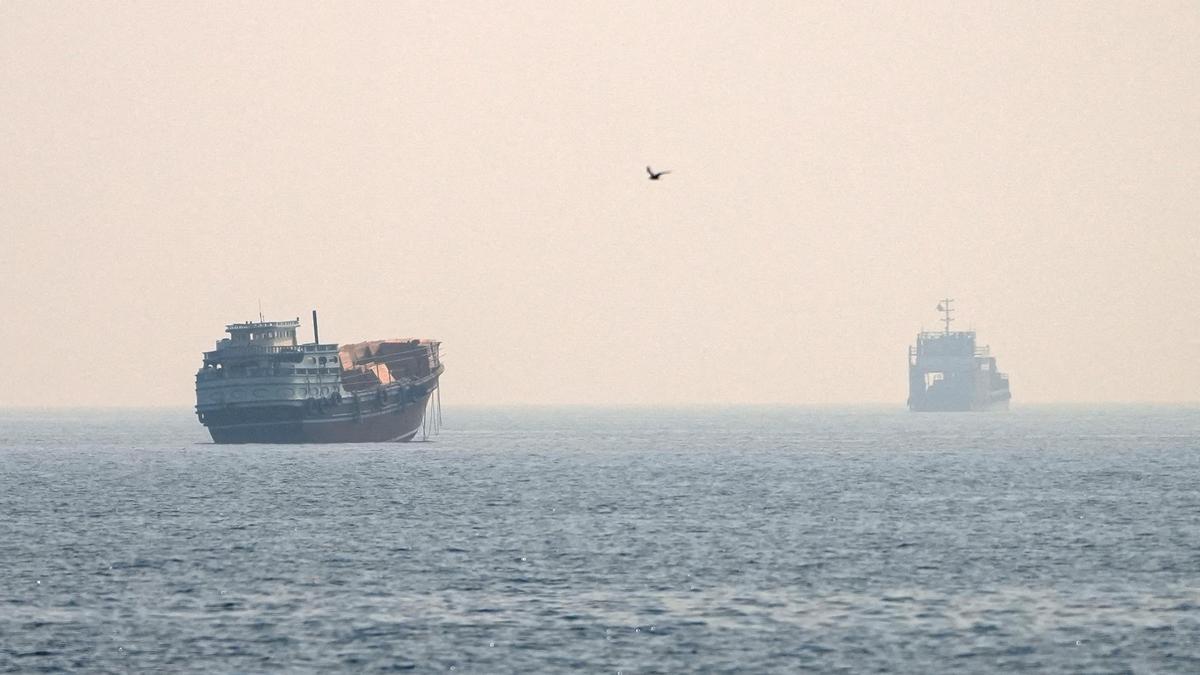
Commercial shipping near the coast of Oman has once again come under the spotlight after a vessel carrying Indian crew members was attacked. The incident has renewed concerns over the safety of one of the world’s busiest maritime routes and highlights how rising tensions in West Asia continue to affect civilian shipping.
While rescue operations have saved most of the Indian crew, one seafarer remains missing, making the situation both a humanitarian and diplomatic concern.
What Happened?
India’s Ministry of External Affairs (MEA) has confirmed that the commercial vessel GFS Galaxy was attacked off the coast of Oman on July 12. The ship had 11 Indian nationals among its crew members.
According to the MEA:
- Ten Indian crew members have been rescued.
- One Indian national is still reported missing.
- India’s Embassy in Oman is working closely with Omani authorities during the ongoing search-and-rescue operation.
- New Delhi has officially condemned the attack on the commercial vessel.
Iran has stated that its forces fired what it described as a “warning shot” that struck the vessel, claiming the ship was travelling on an unapproved route. The circumstances surrounding the incident remain under official investigation, and independent verification of all claims is still limited.
How Credible Is This News?
This is a confirmed and developing story.
The attack and the rescue of 10 Indian crew members have been officially acknowledged by India’s Ministry of External Affairs. The Indian government has also confirmed that one crew member remains missing and that rescue efforts are continuing with the support of Omani authorities.
However, some details—including the exact sequence of events and the legal or military justification claimed by Iran—have not been independently verified. Readers should expect further updates as investigations continue.
Why Does This Matter?
The incident is significant because it occurred near the Strait of Hormuz, one of the world’s most strategically important sea passages.
A substantial share of global oil and liquefied natural gas exports passes through this region. Thousands of commercial vessels—including many crewed by Indian seafarers—transit these waters every year.
Any disruption in this corridor can have consequences that extend well beyond the Middle East, affecting:
- Global shipping operations
- Energy markets
- International trade
- Insurance costs for commercial vessels
- Safety of civilian maritime workers
For India, the issue is especially important because Indian nationals make up one of the world’s largest seafaring workforces.
Background: Rising Maritime Security Concerns
This attack did not occur in isolation.
The Gulf region has witnessed multiple security incidents involving commercial vessels in recent months as tensions between regional powers and international militaries have intensified. Governments have repeatedly expressed concern that civilian ships and merchant crews are increasingly being exposed to geopolitical conflicts.
India has consistently maintained that commercial shipping should not become a target during regional disputes and has called for diplomatic efforts to reduce tensions.
Who Is Most Affected?
Several groups could feel the impact of incidents like this.
Indian Seafarers
Indian crew members working on international cargo vessels face growing safety risks while operating in conflict-prone waters.
Shipping Companies
Operators may face:
- Higher insurance premiums
- Route changes
- Operational delays
- Increased security costs
Global Trade
If attacks become more frequent, shipping companies could avoid high-risk areas, potentially increasing transportation costs and delivery times.
Regional Governments
Countries around the Gulf may face greater pressure to improve maritime security while balancing diplomatic relations with competing regional interests.
What Could Change Next?
Immediate Developments
Authorities are expected to focus on:
- Continuing the search for the missing Indian crew member
- Investigating the circumstances of the attack
- Coordinating diplomatic engagement between India, Oman and other relevant governments
Longer-Term Impact
If security concerns continue, governments and shipping companies may consider:
- Stronger naval coordination in key shipping lanes
- Enhanced safety protocols for merchant vessels
- Higher maritime insurance costs
- Greater international diplomatic efforts to prevent attacks on civilian shipping
Much will depend on whether regional tensions ease or continue to escalate.
How Are Different Stakeholders Responding?
Government of India
The Ministry of External Affairs has condemned the attack, thanked Omani authorities for supporting rescue efforts, and reiterated concerns over repeated attacks on commercial shipping. It has also called for de-escalation and a diplomatic resolution to regional tensions.
Oman
Omani authorities are assisting with search-and-rescue operations while coordinating with Indian officials.
Maritime Industry
Although companies have not issued uniform responses, the shipping sector continues to monitor security conditions closely because any increase in regional instability directly affects vessel operations, insurance, and crew safety.
What Should Readers Expect Next?
The immediate priority will remain locating the missing Indian crew member and determining exactly how the attack unfolded.
Further statements are likely from:
- India’s Ministry of External Affairs
- Omani authorities
- Maritime security agencies
- The governments involved in the broader regional situation
As investigations continue, additional information could clarify responsibility, the sequence of events, and whether further diplomatic action follows.
Key Takeaways
- India has confirmed that a commercial vessel carrying 11 Indian crew members was attacked off the Oman coast, with 10 rescued and one still missing.
- The incident highlights growing risks to commercial shipping in the Gulf region, where geopolitical tensions continue to affect civilian maritime traffic.
- While the attack itself is officially confirmed, several operational details remain under investigation, making this a developing story that could see further diplomatic and security developments.