Lindsey Graham Dies at 71: What His Death Means for U.S. Politics and America’s Foreign Policy
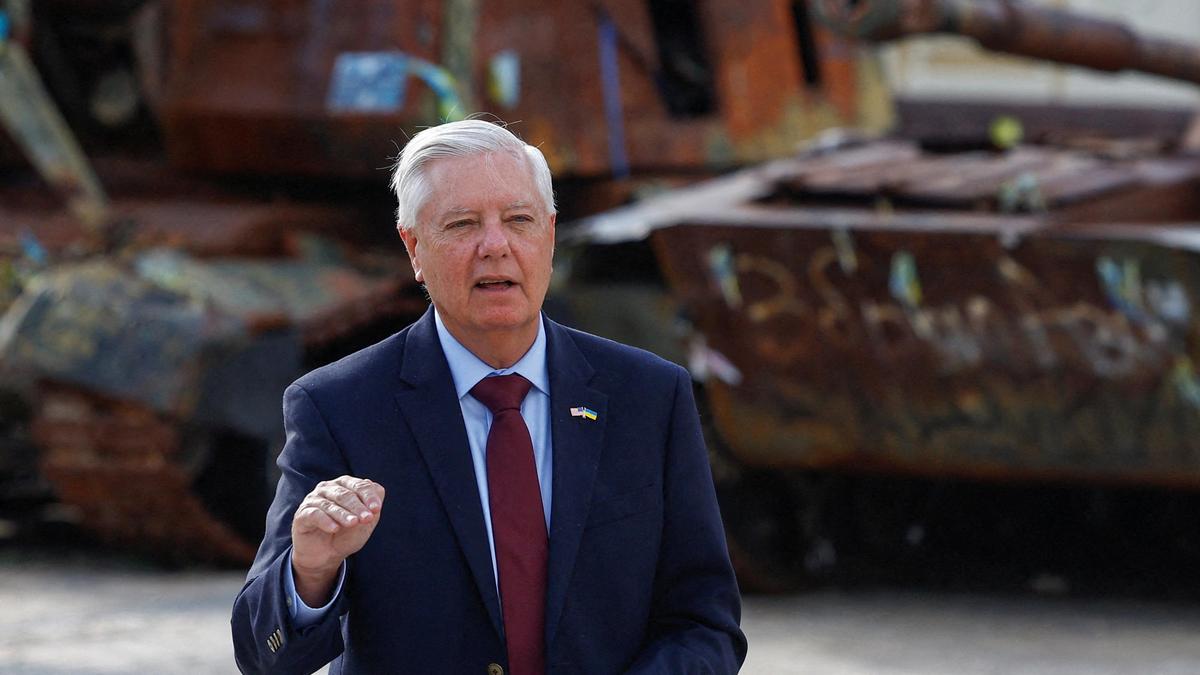
Veteran Republican Senator Lindsey Graham, one of the most influential figures in U.S. politics and a close ally of President Donald Trump in recent years, has died at the age of 71. His passing closes a political career that spanned decades and is expected to reshape both the balance of power in Washington and ongoing debates over U.S. foreign policy.
What Happened?
U.S. Senator Lindsey Graham passed away on the evening of July 11 following what his office described as a “brief and sudden illness.” He was 71 years old. His family requested privacy while leaders across the political spectrum began paying tribute to his decades of public service. Reuters and multiple other established news organizations have independently confirmed the announcement.
At the time of his death, Graham represented South Carolina in the U.S. Senate and remained one of the Republican Party’s most recognizable lawmakers. He had recently returned from a visit to Ukraine, where he met President Volodymyr Zelenskyy to discuss continued American support for the country.
How Credible Is This News?
This is a confirmed development.
The announcement came directly from Senator Graham’s office and has since been verified by multiple international news organizations. While emergency dispatch reports referenced a possible cardiac arrest, officials have not publicly released a detailed medical cause of death. As a result, any claims beyond the official statement remain unconfirmed.
Why Lindsey Graham Was a Significant Political Figure
Lindsey Graham served in the U.S. Senate since 2003 after previously serving in the House of Representatives and in the U.S. Air Force’s legal branch.
Throughout his career, he became known for:
- Strong support for an assertive U.S. foreign policy.
- Backing military assistance to allies including Ukraine and Israel.
- Influencing major judicial appointments in the Senate.
- Playing an important role in national security and defense debates.
One of the most notable aspects of his political career was his changing relationship with Donald Trump. Graham was initially one of Trump’s harshest Republican critics during the 2016 presidential campaign before later becoming one of his closest allies in Congress, helping advance many administration priorities.
Why This Matters Beyond One Senate Seat
The death of a senior senator affects more than one state.
Graham held influential committee positions and was deeply involved in discussions on defense spending, judicial nominations and U.S. foreign policy. His absence could alter legislative negotiations, especially in a closely divided Senate where every vote carries greater importance.
His passing also comes during an active election cycle, adding another unexpected political development for Republicans in South Carolina.
Who Is Likely to Be Affected?
Several groups could feel the impact:
- The Republican Party: It loses one of its most experienced Senate strategists and foreign policy voices.
- South Carolina: The state will receive an appointed replacement before voters eventually elect a permanent successor under state procedures.
- Congress: Committee assignments, leadership responsibilities and legislative negotiations may temporarily shift.
- International partners: Governments that frequently worked with Graham, particularly Ukraine and Israel, lose a long-time advocate for continued U.S. engagement.
What Changes Could Follow?
Immediate Effects
- South Carolina’s governor is expected to appoint an interim senator.
- Congressional committees may need to redistribute leadership responsibilities.
- Political parties are likely to begin preparing for a competitive race to permanently fill the Senate seat.
Longer-Term Impact
Over time, Graham’s absence could influence:
- Republican foreign policy priorities.
- Senate voting dynamics on national security legislation.
- Debate over U.S. military support for allies overseas.
- The balance between traditional Republican foreign policy views and newer voices within the party.
Exactly how significant these changes become will depend on who succeeds him and how the Senate’s political balance evolves.
How Are Political Leaders Reacting?
Leaders from across the political spectrum have expressed condolences and acknowledged Graham’s lengthy public career.
President Donald Trump praised Graham as a close friend and respected colleague, while international leaders, including those from countries Graham strongly supported, also offered tributes recognizing his role in American foreign policy.
Although many disagreed with his political positions, reactions have broadly reflected recognition of his influence on U.S. politics over more than two decades.
What Should Readers Expect Next?
Several developments are likely over the coming days:
- Official details regarding funeral arrangements and memorial services.
- Announcement of an interim Senate replacement.
- Increased political attention on South Carolina’s upcoming Senate contest.
- Continued discussion about Graham’s long-term political legacy, particularly regarding foreign affairs, judicial appointments and Republican Party leadership.
Many of the broader political consequences will become clearer only after the appointment process begins and Congress resumes its legislative agenda.
Key Takeaways
- Senator Lindsey Graham’s death has been officially confirmed by his office and independently verified by multiple reputable news organizations.
- Beyond marking the end of a decades-long political career, his passing creates an important vacancy in the U.S. Senate and could influence future debates on foreign policy, judicial appointments and Republican leadership.
- While tributes continue, attention is now shifting toward the appointment of his successor and the longer-term political impact of losing one of Washington’s most influential Republican lawmakers.