Middle East Crisis Explained: Why the Latest US-Iran Escalation Matters and What Could Happen Next
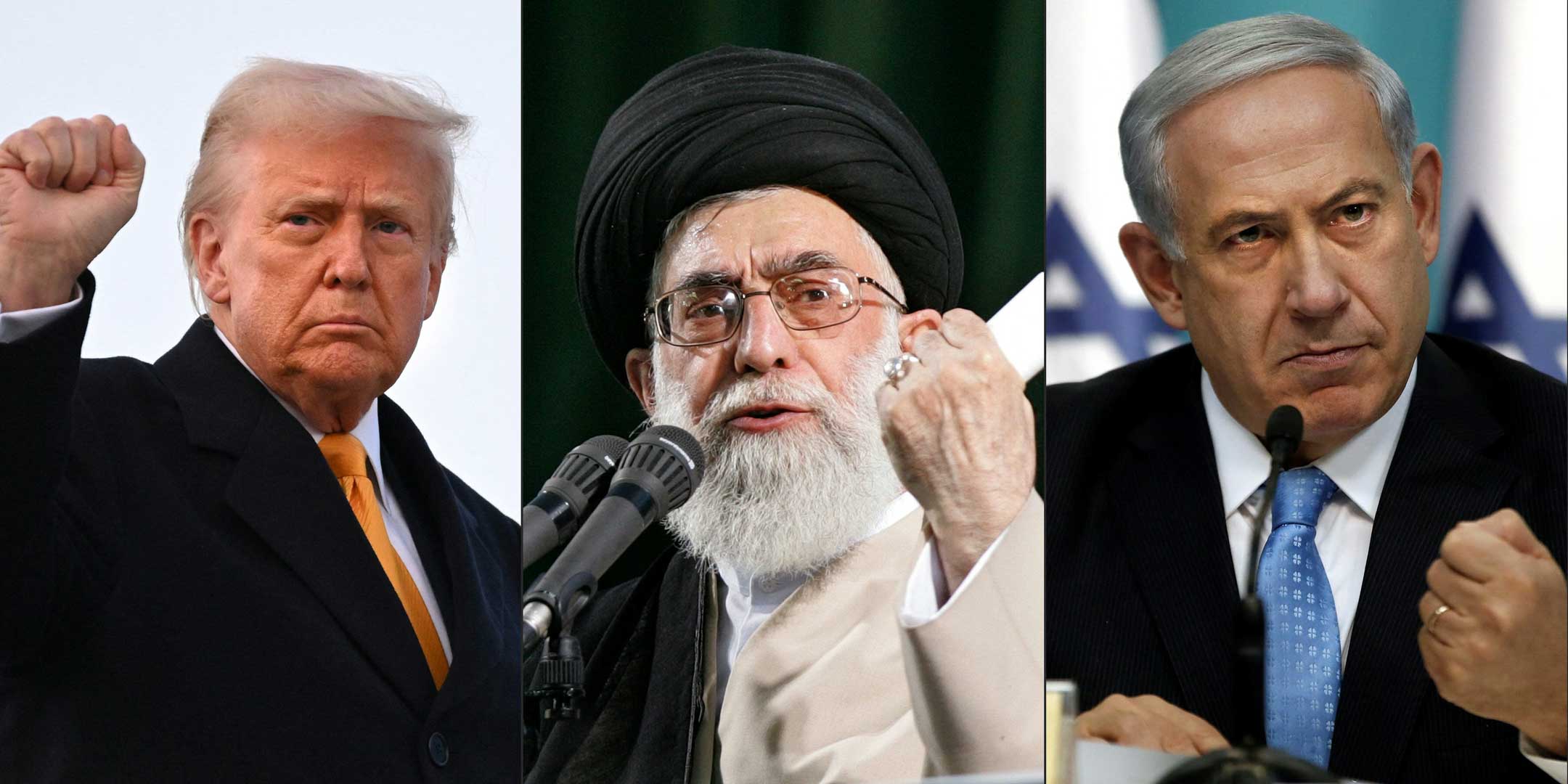
The latest developments in the Middle East suggest that the fragile understanding between the United States and Iran has broken down once again, raising concerns about regional stability, global energy markets, and the possibility of a wider conflict. While many headlines focus on military strikes and political statements, the bigger story is how these events could reshape diplomacy, trade, and security across the region.
1. The Core News & Credibility (What Happened and How Reliable Is It?)
What Happened?
According to official statements and multiple international media reports:
- The United States launched fresh military strikes against targets inside Iran.
- US officials said the strikes were a response to Iranian attacks on commercial vessels moving through the Strait of Hormuz.
- Iran accused Washington of violating an earlier ceasefire or memorandum of understanding and responded by launching attacks against US-linked military facilities in Bahrain, Kuwait, and Qatar.
- President Donald Trump declared that the previous truce was effectively “over,” although discussions about future diplomacy have not been completely ruled out.
How Credible Is This Story?
This is not speculation or an unverified social media rumor.
Several elements are independently confirmed:
- The US military has officially acknowledged conducting strikes.
- Iranian authorities have confirmed attacks on their territory and reported casualties.
- Gulf countries have confirmed missile and drone interceptions.
- International news agencies have reported developments based on government statements and military officials.
However, some important details—including exact casualty figures, the effectiveness of military operations, and responsibility for specific incidents—are still evolving. Claims made by either side should be viewed cautiously until independently verified.
Bottom line: The military escalation is confirmed, but many operational details remain part of a developing story.
2. Why This Matters
The Strait of Hormuz Is One of the World’s Most Important Trade Routes
Much of the current conflict revolves around the Strait of Hormuz.
Around one-fifth of the world’s oil exports normally pass through this narrow shipping lane. Any disruption here can quickly affect:
- Global oil prices
- Shipping costs
- Fuel prices
- Inflation in many countries
Even if shipping continues, increased military activity makes insurance and transportation significantly more expensive.
A Breakdown of Diplomacy
Only weeks ago, both countries had reached an interim understanding intended to reduce hostilities.
The latest strikes indicate that this arrangement has largely collapsed.
This increases uncertainty because:
- diplomatic negotiations become more difficult,
- both sides face domestic political pressure not to appear weak,
- accidental escalation becomes more likely.
Immediate Consequences
Several short-term effects are already visible.
Higher Energy Market Uncertainty
Oil prices initially reacted sharply before stabilizing as traders assessed whether exports through Hormuz would continue. Markets remain extremely sensitive to further military developments.
Increased Military Readiness
Countries across the Gulf have strengthened air defenses and security measures.
Commercial shipping companies are also reviewing routes and insurance policies.
Greater Regional Risk
Neighboring countries hosting US military facilities could increasingly find themselves caught in the conflict, even if they are not direct participants.
Long-Term Implications
If tensions continue:
- shipping routes could permanently become more expensive,
- regional arms spending may increase,
- diplomatic relations between Western countries and Iran may deteriorate further,
- global energy markets may accelerate efforts to diversify away from dependence on the Gulf.
3. Winners and Losers
Potential Beneficiaries
Energy Producers Outside the Conflict
Countries exporting oil outside the immediate conflict zone could benefit if higher prices continue.
Defense Industry
Periods of geopolitical instability often lead governments to increase defense spending, potentially benefiting military equipment manufacturers.
Alternative Energy
Repeated disruptions in global oil markets may strengthen investment in renewable energy and energy diversification over the longer term.
Those Facing Greater Challenges
Iran
Iran faces:
- military damage,
- additional diplomatic isolation,
- possible economic pressure,
- renewed sanctions risks.
Gulf States
Countries such as Bahrain, Kuwait and Qatar face difficult balancing acts.
Many host US military assets while also seeking regional stability and maintaining economic growth.
Global Consumers
If oil prices remain elevated:
- petrol becomes more expensive,
- transportation costs rise,
- inflation may increase,
- airline tickets and freight costs could also become more expensive.
International Shipping
Shipping companies face:
- higher insurance premiums,
- longer routes if vessels avoid risky areas,
- greater operational uncertainty.
Key Geopolitical Risks
The biggest concern is not necessarily a full-scale war tomorrow.
Rather, analysts worry about:
- repeated cycles of retaliation,
- accidental military confrontations,
- attacks involving regional proxy groups,
- miscalculations that rapidly expand the conflict.
History has shown that conflicts in the Gulf can escalate unexpectedly.
4. Deeper Impacts and Future Outlook
Political Impact
The latest escalation places additional pressure on governments across the Middle East.
Many regional countries want to:
- maintain security partnerships with Washington,
- avoid direct conflict with Iran,
- protect economic growth,
- preserve regional stability.
Balancing these priorities is becoming increasingly difficult.
Economic Impact
If instability continues:
- global supply chains may experience further disruptions,
- shipping costs could remain elevated,
- energy-importing countries may face higher inflation,
- investment decisions in the region could slow.
Environmental Risks
Military operations near energy infrastructure create environmental concerns.
Potential risks include:
- oil spills,
- damage to coastal ecosystems,
- industrial pollution,
- disruption to marine traffic.
Although no major environmental disaster has been confirmed from the latest strikes, the possibility increases whenever fighting occurs near strategic energy facilities.
What Should Readers Expect Next?
Several developments are likely over the coming days and weeks:
Continued Diplomatic Activity
Despite increasingly hostile rhetoric, international mediators are expected to continue pushing for renewed negotiations.
Possible Additional Military Responses
Further limited strikes cannot be ruled out if either side believes new attacks require retaliation.
Close Monitoring of Oil Markets
Investors will closely watch whether shipping through the Strait of Hormuz remains largely uninterrupted.
International Pressure
The United Nations and major world powers are expected to continue urging restraint to prevent a wider regional conflict.
Final Analysis
The latest US-Iran confrontation represents far more than another exchange of military strikes.
It highlights the fragility of ceasefire arrangements in one of the world’s most strategically important regions. While the immediate military actions are significant, the broader consequences could extend into global energy markets, international diplomacy, inflation, and regional security.
At this stage, the situation remains highly fluid. Confirmed military actions have already taken place, but the long-term outcome will depend on whether both sides move toward renewed negotiations or continue a cycle of retaliation. For governments, businesses, and ordinary consumers alike, developments around the Strait of Hormuz will remain one of the most important geopolitical stories to watch in the weeks ahead.