Madras High Court Signals Tougher Action Against River Pollution Linked to Religious Rituals in Tamirabarani
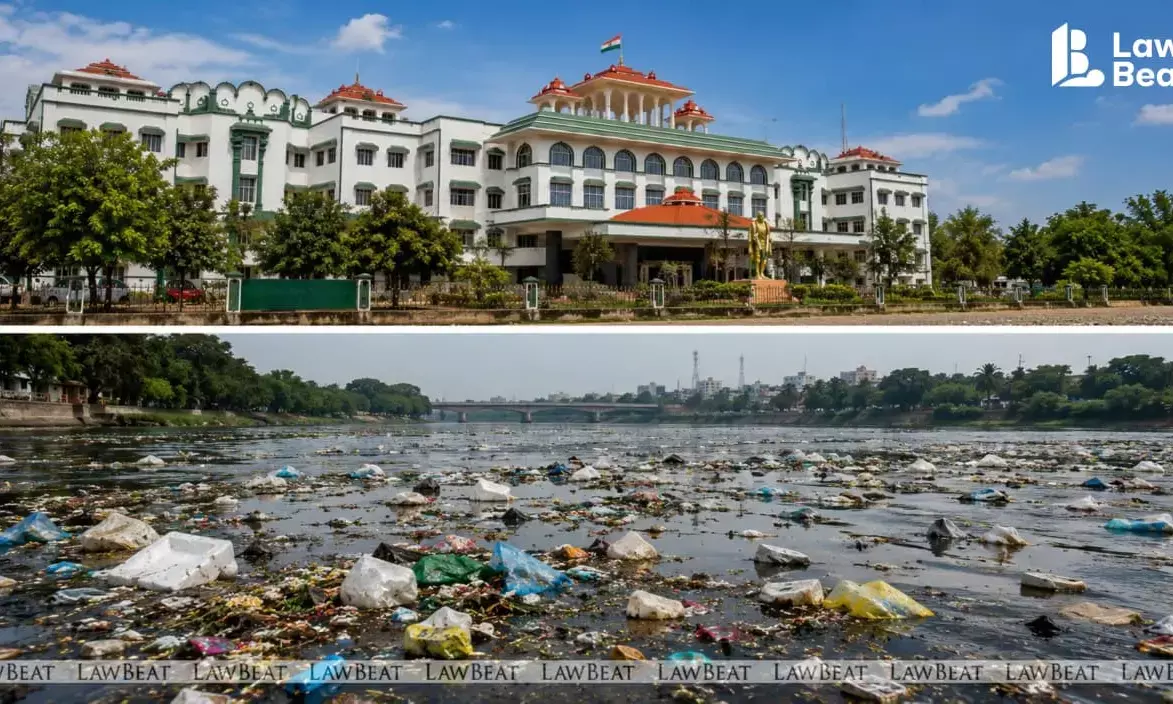
The Madras High Court has intervened in a growing environmental concern surrounding the Tamirabarani River in Tamil Nadu, observing that religious practices cannot be used as a justification for polluting water bodies. The court’s remarks came while examining reports of large-scale dumping of clothes and other materials into the river during rituals performed for deceased family members.
The case has reopened a broader debate in India: how can authorities balance religious traditions with environmental protection and public health?
What Happened?
A special bench of the Madras High Court’s Madurai Bench expressed concern over the disposal of garments, footwear and ritual-related items into the Tamirabarani River during funeral and memorial ceremonies. According to information placed before the court, significant quantities of waste are being discarded into the river on a regular basis.
The judges observed that while citizens have the freedom to practice religion, that freedom does not extend to actions that damage public resources or harm the environment. The court emphasized that protecting rivers and water bodies is a matter of public interest and public health.
Rather than issuing an immediate ban, the court has chosen to hear religious groups, activists and government authorities before deciding on long-term measures. It has also asked the district administration to suggest practical solutions.
How Credible Is This Development?
This is a confirmed judicial development based on official court proceedings and orders reported by multiple legal and mainstream news outlets. The observations were made by a division bench of the Madras High Court and are part of an ongoing legal process.
There is no major dispute regarding the court’s observations. However, the final regulatory framework or restrictions, if any, have not yet been decided because stakeholders are still being heard.
Why Does This Matter?
The Tamirabarani River is one of Tamil Nadu’s important perennial rivers and serves as a source of water for communities, agriculture and ecosystems in the region.
Environmental activists have long argued that ritual-related waste, plastic materials and non-biodegradable items are increasingly affecting the health of rivers across India. In the Tamirabarani case, data presented before the court suggested that large volumes of discarded materials had been removed during recent cleanup operations.
The issue highlights a recurring challenge faced by policymakers:
- Preserving religious customs that have cultural significance.
- Protecting rivers from pollution.
- Ensuring access to clean water for the public.
- Preventing long-term ecological damage.
The court’s intervention suggests that environmental concerns are being treated as a constitutional and public health issue rather than merely a local administrative problem.
The Legal Question: Religion vs Environmental Responsibility
Confirmed Facts
The court noted that the constitutional right to practice religion is subject to considerations such as public health. It also referred to legal protections aimed at preventing pollution and safeguarding clean water resources.
Analysis
This does not mean the court is opposing religious practices themselves. Instead, the central issue appears to be whether traditional rituals can be modified in ways that reduce environmental harm.
Indian courts have increasingly adopted this approach in environmental matters—allowing cultural and religious activities to continue while encouraging safer and more sustainable methods.
Who Is Affected?
Communities Living Along the River
Residents who depend on the river for daily needs could benefit from cleaner water and improved environmental conditions if pollution is reduced.
Religious Devotees
Some worshippers may view restrictions or new regulations as an interference with longstanding traditions. This is one reason the court has chosen to hear different stakeholders before making a final decision.
Environmental Groups
River conservation activists are likely to welcome stronger oversight, arguing that environmental protection should take precedence when public resources are at risk.
Local Administration
Authorities may face additional responsibilities, including public awareness campaigns, waste collection systems, designated disposal facilities and enforcement mechanisms.
What Changes Could Follow?
Several possibilities could emerge from the ongoing proceedings:
Short-Term Changes
- Public awareness campaigns about river pollution.
- Improved waste collection near ritual sites.
- Consultation with religious organizations.
- Administrative guidelines for handling ritual materials.
Long-Term Changes
- Dedicated collection centres for ritual offerings.
- Statewide policies for environmentally safer religious practices.
- Stronger monitoring of pollution in rivers and water bodies.
- Potential legal precedents influencing similar cases elsewhere in India.
If implemented carefully, such measures could become a model for balancing faith-based practices with environmental conservation.
How Are Stakeholders Responding?
The Court
The judges have clearly signaled concern over the environmental impact of the practice while avoiding immediate prohibitory orders. They have stressed the need for consultation and practical solutions.
Environmental Activists
Activists involved in cleanup efforts have highlighted the scale of waste being recovered from the river and have urged stronger preventive measures.
Government Authorities
The district administration has been asked to present proposals and assist in identifying workable solutions before the court reaches a final decision.
Religious Stakeholders
Religious organizations and community representatives are expected to present their views on how traditional practices can be preserved while addressing environmental concerns.
What Should Readers Expect Next?
The immediate focus will be on consultations and stakeholder submissions rather than an instant ban on rituals. The court has indicated that the matter involves religious sentiments and therefore requires a balanced approach.
Readers should watch for:
- Recommendations from the district administration.
- Responses from religious organizations.
- Any court-approved framework for managing ritual waste.
- Potential wider policy discussions on river conservation across Tamil Nadu and beyond.
Key Takeaways
The Madras High Court has made it clear that environmental protection and clean water cannot be compromised, even when religious practices are involved.
The case is not about banning religion; it is about determining whether traditional rituals can be carried out without causing ecological damage.
The outcome could influence how authorities across India address the growing challenge of balancing cultural traditions with environmental sustainability.