Karnataka Minister’s Surprise BMTC Bus Ride Highlights Everyday Commuter Problems in Bengaluru
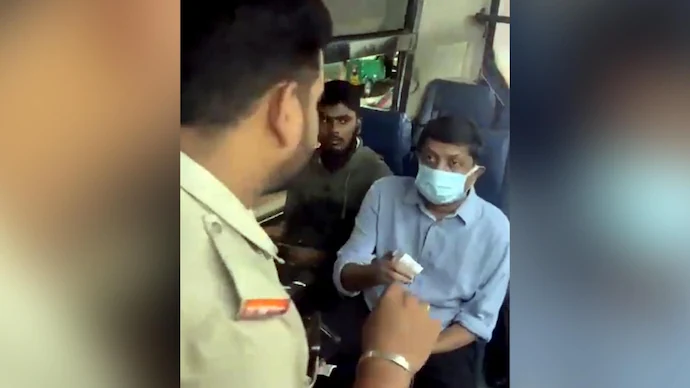
Public transport often shapes how people experience a city, but the concerns raised by commuters do not always reach policymakers directly. A surprise inspection by Karnataka’s Transport Minister has drawn attention to some of the routine issues faced by Bengaluru bus passengers, including ticketing disputes, missed stops and fare-related complaints.
The incident has triggered discussion about whether such inspections can lead to lasting improvements in public transport services or remain isolated administrative actions.
What Happened?
Karnataka Transport Minister Byrathi Suresh travelled anonymously on Bengaluru Metropolitan Transport Corporation (BMTC) buses for nearly two hours to assess commuter experiences without revealing his identity. During the inspection, he boarded multiple buses across different routes while dressed like an ordinary passenger.
One of the most talked-about moments occurred when the minister attempted to buy tickets using a ₹100 note. According to official accounts, the conductor said there was no change available and asked him to get off the bus instead of issuing a ticket. The episode reflected a complaint frequently raised by regular commuters using city buses.
The inspection also uncovered another operational issue when a BMTC bus reportedly failed to stop at a designated bus stop despite a passenger signalling to get down. Following the incident, the minister ordered disciplinary action against the driver and conductor involved.
After leaving the bus, the minister also encountered an autorickshaw fare dispute, where he questioned a driver over a fare that reportedly exceeded the meter reading.
How Credible Is This News?
This is a confirmed development.
The inspection was publicly acknowledged by Karnataka Transport Minister Byrathi Suresh through official statements and social media updates. Multiple national news organisations have independently reported the events, including the ticketing dispute, the suspension of transport staff and the auto-rickshaw fare incident.
While public opinion differs on the disciplinary action taken, there is no significant dispute regarding the fact that the inspection took place.
Why Does This Matter?
The incident highlights challenges that thousands of Bengaluru commuters say they encounter regularly.
Some of the issues include:
- Conductors struggling to provide exact change during cash transactions.
- Buses occasionally failing to stop at designated locations.
- Passenger complaints about service quality and accountability.
- Concerns over fare practices beyond the BMTC system, including auto-rickshaws.
For many commuters, these are not isolated incidents but recurring inconveniences that affect daily travel. The minister’s experience has brought renewed attention to these operational problems because he personally encountered them while travelling as an ordinary passenger.
Background: Why the ‘Exact Change’ Issue Keeps Appearing
Cash transactions remain common on city buses even as digital payments continue to expand.
When conductors do not have sufficient change, disagreements between passengers and staff can arise, particularly during busy travel periods. While many passengers now use UPI and other digital payment methods, cash continues to play an important role for daily commuters.
The incident has therefore reopened discussion about whether wider adoption of digital ticketing and cashless fare collection could reduce such disputes in the future.
Who Is Affected?
Commuters
Passengers are the most directly affected when buses skip stops, ticketing becomes difficult or fare disputes delay journeys.
BMTC Staff
Drivers and conductors work under operational pressures, including maintaining schedules and handling large passenger volumes. However, they are also expected to follow passenger service rules and organisational guidelines.
Karnataka Government
The inspection places additional focus on the government’s efforts to improve public transport efficiency and public confidence in BMTC services.
Confirmed Facts vs Analysis
Confirmed Facts
- The minister travelled undercover across multiple BMTC buses.
- A conductor reportedly asked him to leave after he offered a ₹100 note without exact change.
- A driver and conductor were suspended after a bus allegedly failed to stop for a passenger.
- The minister also intervened in an autorickshaw fare dispute during the inspection.
Analysis
The inspection demonstrates that direct field visits can help policymakers observe problems that may not be fully reflected in official reports. However, isolated inspections alone are unlikely to resolve long-standing operational issues unless they are followed by broader administrative reforms, staff training, technology upgrades and consistent monitoring.
How Are Different Stakeholders Reacting?
The Karnataka government has presented the inspection as part of a broader effort to improve accountability and service quality within Bengaluru’s public transport system. Officials have indicated that similar surprise inspections may continue.
Public reaction has been mixed.
Some commuters welcomed the minister’s decision to experience public transport firsthand, arguing that policymakers should regularly interact with everyday services before introducing reforms.
Others questioned whether disciplinary action against frontline staff alone addresses deeper structural problems such as staffing pressures, operational constraints, cash handling challenges and system-wide service management.
What Could Change Next?
If the government follows up with policy measures, several developments could emerge:
- Increased surprise inspections across Bengaluru’s public transport network.
- Greater emphasis on passenger service standards.
- Possible improvements in digital ticketing and cashless payment systems.
- Stronger monitoring of buses skipping designated stops.
- Additional training and accountability measures for operational staff.
Whether these measures lead to measurable improvements will depend on their implementation over time rather than on a single inspection.
Key Takeaways
- Karnataka’s Transport Minister experienced several commuter issues firsthand during an undercover BMTC bus inspection, including an exact-change ticket dispute and service lapses.
- The incident has renewed attention on everyday challenges faced by Bengaluru’s public transport users and the need for consistent service improvements.
- The long-term impact will depend on whether the inspection results in sustained policy reforms, better operational practices and improved passenger experience rather than one-time disciplinary action.