US-Iran Conflict Intensifies as Fighting Returns to the Strait of Hormuz: What the Latest Escalation Means
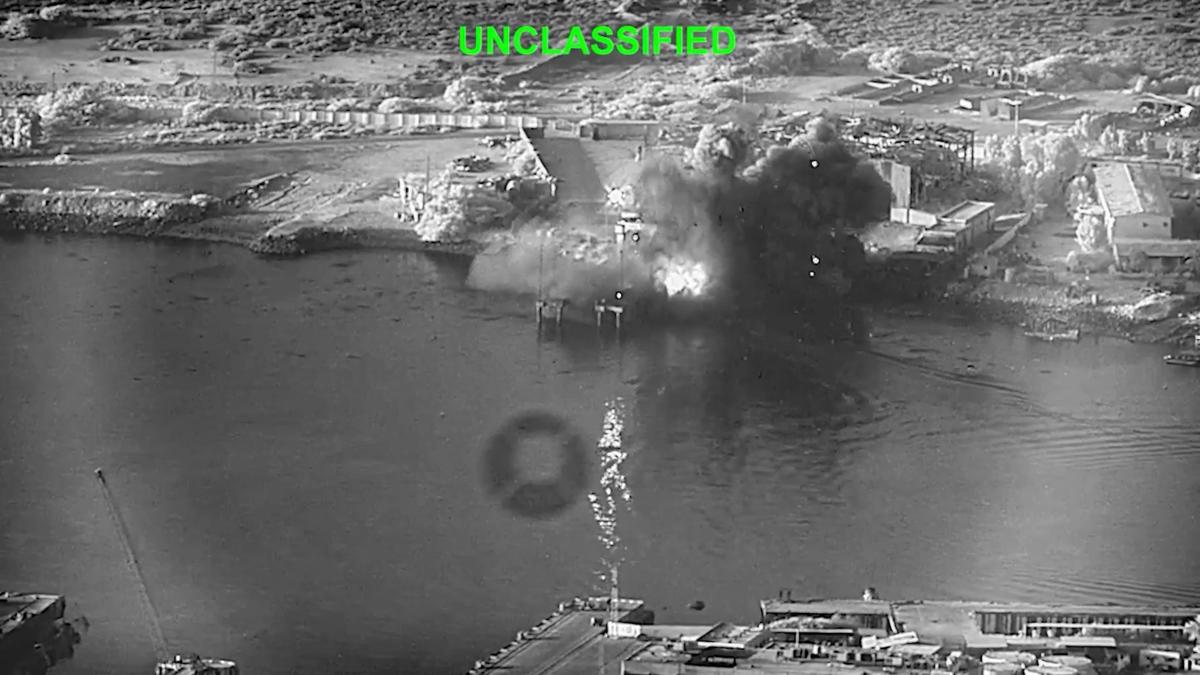
The conflict between the United States and Iran has entered another dangerous phase, with renewed military strikes and rising tensions around the Strait of Hormuz. The latest developments have increased concerns over regional stability, global energy supplies, and the prospects for diplomacy.
While military operations continue, governments and international organizations are urging restraint, warning that further escalation could have consequences far beyond the Middle East.
What Happened?
The United States has launched another round of military strikes targeting Iranian military assets linked to operations around the Strait of Hormuz. According to U.S. officials, the attacks were aimed at reducing Iran’s ability to threaten commercial shipping through the strategic waterway.
Iran, meanwhile, has continued to reject U.S. military pressure and maintains that it has the right to defend its interests in the region. Reports from multiple international news organizations also indicate that commercial vessels operating near the Strait have come under attack, adding to concerns over maritime security.
How Credible Is This News?
This is a confirmed and ongoing international development.
The military strikes have been officially acknowledged by the United States, while Iranian authorities have also issued public statements regarding the conflict. Reports have been carried by multiple established international news organizations.
However, some battlefield details remain difficult to verify independently because military operations are still underway and both sides continue to present their own accounts of events. As a result, certain claims should be treated as developing until independently confirmed.
Why the Strait of Hormuz Matters
The Strait of Hormuz is one of the world’s most strategically important maritime routes.
A significant share of global oil and liquefied natural gas exports passes through this narrow passage connecting the Persian Gulf with international shipping lanes. Even temporary disruptions can influence global energy markets.
Because many countries—including India, China, Japan, South Korea, and European nations—depend on energy transported through this route, instability here often becomes an international concern rather than only a regional dispute.
Background: Why Have Tensions Escalated Again?
Relations between Washington and Tehran have remained strained for years over issues including Iran’s nuclear programme, regional security, sanctions, and military activity in the Gulf.
Recent diplomatic efforts had raised hopes that both countries might avoid another direct confrontation. However, attacks on commercial shipping and renewed military action have weakened confidence in those negotiations.
The latest exchange of strikes suggests that diplomatic channels remain under pressure even as leaders continue to leave open the possibility of future talks.
Who Is Most Affected?
The consequences extend well beyond the two countries involved.
Countries
- Gulf nations face increased security risks.
- Oil-importing countries may experience higher energy costs.
- Regional allies of both Iran and the United States may face greater diplomatic and security pressure.
Businesses
- Shipping companies may encounter higher insurance and transportation costs.
- Energy companies face uncertainty over supply routes.
- Financial markets often react to prolonged geopolitical instability.
Ordinary People
- Consumers worldwide could see higher fuel prices if disruptions continue.
- People living near conflict zones remain at the greatest humanitarian risk.
- International trade may become more expensive if shipping delays increase.
Economic and Geopolitical Impact
One of the earliest market reactions has been a rise in global oil prices as traders assess the risk of supply disruptions.
Beyond energy markets, the conflict also affects international diplomacy. Countries with close ties to both Washington and Tehran may attempt to encourage de-escalation while protecting their own economic and strategic interests.
For India, developments in the Gulf are particularly significant because the region remains an important source of crude oil and hosts a large Indian expatriate community.
How Different Stakeholders Are Responding
United States
American officials say the military operations are intended to protect international shipping and reduce threats originating from Iranian military capabilities around the Strait of Hormuz.
Iran
Iran has condemned the strikes and continues to argue that outside military intervention increases instability rather than improving regional security. Iranian officials have also maintained that they will defend the country’s interests.
International Community
The United Nations and several governments have called for restraint, warning that further escalation could increase humanitarian risks, disrupt global trade, and reduce opportunities for diplomatic negotiations.
What Could Happen Next?
Several developments will likely be closely watched over the coming days:
- Whether military operations continue or slow down.
- Any renewed diplomatic efforts between Washington and Tehran.
- The security situation in the Strait of Hormuz.
- Oil price movements and their effect on global markets.
- Statements from regional governments and international organizations.
At this stage, there is no confirmed indication that a long-term political settlement has been reached. The situation remains highly fluid, and further developments are possible.
Analysis
The latest escalation demonstrates how quickly tensions in the Gulf can affect global economic and security interests.
Although the immediate military focus is on the Strait of Hormuz, the broader challenge remains political rather than purely military. Protecting shipping lanes, maintaining energy supplies, and preventing a wider regional conflict will likely require sustained diplomatic engagement alongside security measures.
For governments around the world, balancing support for regional stability with their own strategic interests will continue to be one of the central challenges as the crisis evolves.
Key Takeaways
- The United States has resumed military strikes against Iranian targets linked to the Strait of Hormuz, while Iran continues to oppose U.S. military actions, making this a confirmed and developing international crisis.
- The Strait of Hormuz remains one of the world’s most important energy corridors, meaning prolonged disruption could affect oil prices, shipping, and the global economy.
- Despite ongoing military operations, international attention remains focused on whether diplomacy can prevent the conflict from expanding further.