Oil Prices Climb as Middle East Tensions Deepen While China’s AI-Led Export Boom Strengthens Trade
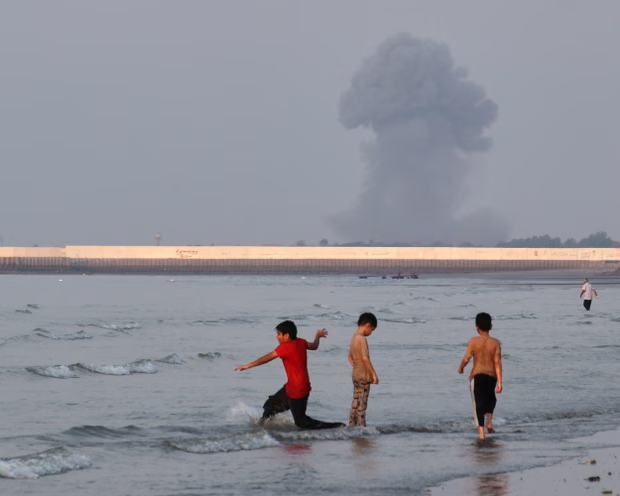
Global markets are reacting to two major developments unfolding at the same time. Rising military tensions in the Middle East have pushed oil prices higher over concerns about energy supplies, while China has reported unexpectedly strong export growth, driven largely by worldwide demand for artificial intelligence (AI) technology.
Although the two stories are unrelated, together they highlight how geopolitical conflicts and technology trends are simultaneously shaping the global economy.
What Happened?
Oil prices rose by more than 2% on July 14 after renewed military activity involving the United States and Iran increased fears of possible disruptions to global oil shipments. Investors remain focused on the Strait of Hormuz, one of the world’s most important shipping routes for crude oil, where any interruption could affect international energy supplies.
At the same time, China released new trade figures showing exports increased by 27% in June compared with the same month last year. The growth was largely supported by strong international demand for semiconductors, computing equipment and other products linked to the expanding AI industry. Imports also recorded a sharp increase, leading to a wider trade surplus.
How Credible Is This News?
These developments are based on officially reported market data and government trade statistics.
Oil prices are being tracked by global commodity markets, while China’s trade figures have been published by Chinese customs authorities and widely reported by international financial news organisations. The broader geopolitical situation in the Middle East remains active and could change quickly, meaning further market movements will depend on future developments.
Why Are Oil Prices Rising?
Energy markets are reacting primarily to uncertainty rather than confirmed supply shortages.
The latest military escalation has increased concerns that shipping through the Strait of Hormuz could become more difficult. A significant share of globally traded oil normally passes through this narrow waterway, making it highly sensitive to conflict.
Even if exports continue without interruption, traders often raise prices because they expect higher transportation costs, insurance expenses and possible future disruptions.
Why the Strait of Hormuz Matters
The Strait of Hormuz connects oil-producing Gulf countries with international markets.
If tanker traffic slows or shipping becomes riskier:
- Oil becomes more expensive internationally.
- Fuel prices may rise in importing countries.
- Businesses that depend on transportation could face higher operating costs.
- Inflation pressures may increase if energy prices remain elevated.
Analysts note that markets often react immediately to geopolitical risks, even before any actual disruption to oil supplies occurs.
Why China’s Export Growth Is Drawing Attention
China’s latest trade figures suggest that global demand for AI-related products remains strong.
Much of the export growth came from industries connected to artificial intelligence, including semiconductor manufacturing, computing hardware and advanced electronics. As companies around the world continue investing in AI infrastructure, demand for these products has increased significantly.
However, economists point out that China’s domestic economy still faces challenges, including weak consumer spending and continued pressure in the property sector. Strong exports therefore provide an important source of economic support.
What Does This Mean for Global Markets?
The two developments are pulling financial markets in different directions.
Higher oil prices generally create inflation concerns because energy costs affect transportation, manufacturing and household expenses.
Meanwhile, stronger Chinese exports indicate that global technology demand remains healthy, which could benefit manufacturers and suppliers involved in AI-related industries.
Investors are therefore balancing two competing themes:
- Geopolitical risks that may increase inflation and market uncertainty.
- Continued technological investment supporting global trade and manufacturing.
Who Benefits and Who Faces Challenges?
Potential beneficiaries
- Oil-producing countries may earn higher revenues if prices remain elevated.
- Energy companies could benefit from stronger crude prices.
- Semiconductor manufacturers and technology exporters may gain from sustained AI demand.
- Chinese exporters serving international technology markets could continue to see stronger orders.
Those facing pressure
- Oil-importing countries may experience higher fuel costs.
- Airlines, shipping companies and manufacturers could see operating expenses increase.
- Consumers may eventually pay more for fuel and transportation if oil prices stay high.
- Businesses dependent on affordable energy could face reduced profit margins.
Could This Affect Inflation and Interest Rates?
Possibly.
If energy prices continue rising over an extended period, central banks may closely monitor inflation.
Higher fuel prices often feed into broader consumer prices, influencing decisions on interest rates. Financial markets are also watching upcoming economic data and speeches from major central bank officials for signals about future monetary policy.
How Are Markets and Experts Responding?
Financial markets have responded cautiously.
Oil prices moved higher as investors assessed geopolitical risks, while several Asian stock markets came under pressure amid broader uncertainty and weakness in some AI-related shares. At the same time, economists continue to view China’s trade performance as evidence that global demand for advanced technology remains relatively resilient despite wider economic uncertainties.
Experts also caution that both situations remain fluid. Oil prices could change quickly depending on developments in the Middle East, while China’s export performance will depend on whether global demand for AI technologies remains strong in the coming months.
What Should Readers Expect Next?
Several developments will likely shape markets in the near future:
- Further updates on the Middle East conflict and shipping conditions.
- Daily movements in global oil prices.
- Additional economic data from major economies.
- Corporate earnings from large technology companies.
- Signals from central banks regarding inflation and interest rates.
Investors are expected to remain highly sensitive to both geopolitical developments and economic indicators over the coming weeks.
Key Takeaways
- Rising tensions in the Middle East have pushed oil prices higher because markets fear potential disruptions to global energy supplies, even though no major long-term supply interruption has been confirmed so far.
- China’s exports posted stronger-than-expected growth, driven largely by global demand for AI-related technology products, providing support to its economy despite ongoing domestic challenges.
- The combination of geopolitical uncertainty and continued AI-driven economic growth is likely to remain a major influence on global financial markets in the weeks ahead.