Vaping May Affect Fitness and Blood Vessel Health as Much as Smoking, New Study Suggests
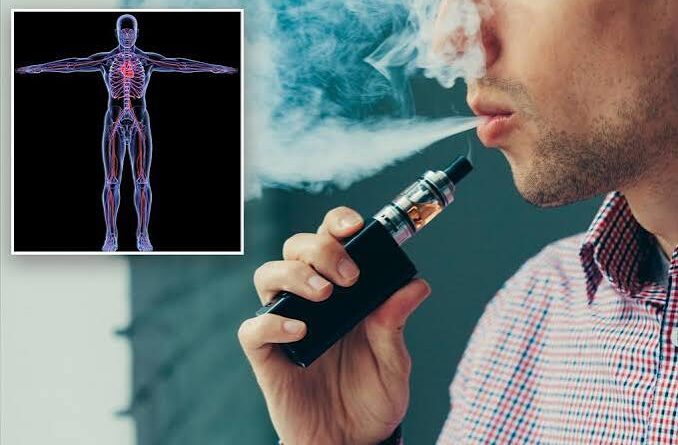
Vaping has often been promoted as a less harmful alternative to smoking, especially for adults trying to quit cigarettes. However, a new scientific study suggests that vaping may still have significant effects on physical fitness and blood vessel health, particularly among young adults.
The findings add to growing research indicating that while vaping may reduce exposure to some harmful chemicals found in tobacco smoke, it should not be viewed as risk-free.
What Did the Study Find?
Researchers from Manchester Metropolitan University in the UK compared three groups of healthy adults aged between 18 and 30:
- People who had never smoked or vaped
- Regular cigarette smokers
- Regular vapers who had not smoked cigarettes
Participants completed exercise tests while researchers measured heart and lung performance, oxygen use, muscle fatigue, and blood vessel function.
According to the study, both smokers and vapers performed noticeably worse than non-users. They experienced lower exercise capacity, became breathless more quickly, and showed signs of reduced blood vessel function. The researchers estimated that overall fitness levels in both vaping and smoking groups were around 15% lower than those who neither smoked nor vaped.
How Credible Is This Research?
The findings come from a peer-reviewed study published in ERJ Open Research, a scientific journal associated with the European Respiratory Society. That means the research was evaluated by independent experts before publication, making it more reliable than preliminary or unpublished claims.
However, the study involved only 75 participants, meaning its conclusions should be interpreted carefully. Larger studies conducted over many years will be needed to determine how these early physiological changes translate into long-term health outcomes.
Importantly, the research does not conclude that vaping and smoking carry identical overall health risks. Instead, it specifically found similar reductions in exercise performance and blood vessel function among the young adults studied.
Why Does Blood Vessel Health Matter?
Blood vessels carry oxygen and nutrients throughout the body. Healthy vessels expand and contract efficiently to support organs and muscles during daily activities and exercise.
When blood vessel function declines:
- The heart has to work harder.
- Muscles receive oxygen less efficiently.
- Physical endurance may decrease.
- Long-term risk of cardiovascular disease may increase.
The researchers observed early signs of these changes in both smokers and vapers during exercise testing.
Why This Study Matters
Over the past decade, vaping has become increasingly popular, particularly among young adults and teenagers. Many people believe it is largely harmless because it does not involve burning tobacco.
Public health experts generally agree that switching completely from cigarettes to regulated vaping products can expose smokers to fewer harmful chemicals than continuing to smoke. However, they also stress that this does not mean vaping is harmless, especially for people who never smoked in the first place.
This latest research adds evidence that vaping may affect the body’s cardiovascular and respiratory systems sooner than many users expect.
Who Could Be Most Affected?
The findings are particularly relevant for:
- Teenagers and young adults who vape recreationally
- Athletes and regular gym-goers concerned about endurance
- Parents and educators discussing vaping with young people
- Healthcare professionals involved in smoking cessation
The study also raises questions for policymakers considering how vaping products should be regulated and marketed, particularly when youth vaping rates remain a public health concern in several countries.
What Are Experts Saying?
Researchers involved in the study say the results indicate that vaping should not automatically be considered harmless simply because it differs from traditional smoking.
Respiratory health specialists also argue that these findings reinforce the importance of preventing nicotine addiction among young people who might otherwise never have used tobacco products.
At the same time, many public health organisations continue to maintain an important distinction:
- For current smokers, switching completely to regulated vaping products may reduce exposure to several toxic substances found in cigarette smoke.
- For non-smokers, starting to vape is not recommended because it introduces avoidable health risks and nicotine dependence.
Could These Findings Influence Public Policy?
While one study alone is unlikely to change regulations immediately, it may strengthen ongoing discussions around:
- Restrictions on youth vaping
- Marketing and advertising of vape products
- Health warnings on vaping devices
- Public education campaigns about nicotine products
Governments in several countries have already been tightening rules on vape sales and advertising as concerns about youth use continue to grow.
What Should Readers Expect Next?
Researchers are likely to conduct larger studies following participants over longer periods to determine whether these early changes lead to lasting cardiovascular or respiratory problems.
Scientists will also continue comparing vaping with smoking to better understand where vaping may reduce harm for existing smokers and where it may still pose significant health risks.
For now, the evidence suggests that vaping should not be viewed as a harmless habit, particularly by people who have never smoked.
Key Takeaways
- A new peer-reviewed study found that young adults who vape or smoke showed similarly reduced exercise performance and poorer blood vessel function compared with people who used neither.
- The research is scientifically credible but relatively small, meaning larger long-term studies are still needed.
- Health experts continue to distinguish between vaping as a possible harm-reduction tool for adult smokers and vaping by non-smokers, which remains discouraged due to potential health risks.