Indian Railways Lost Over ₹104 Crore to Stolen AC Coach Linen in Four Years. What the Numbers Reveal
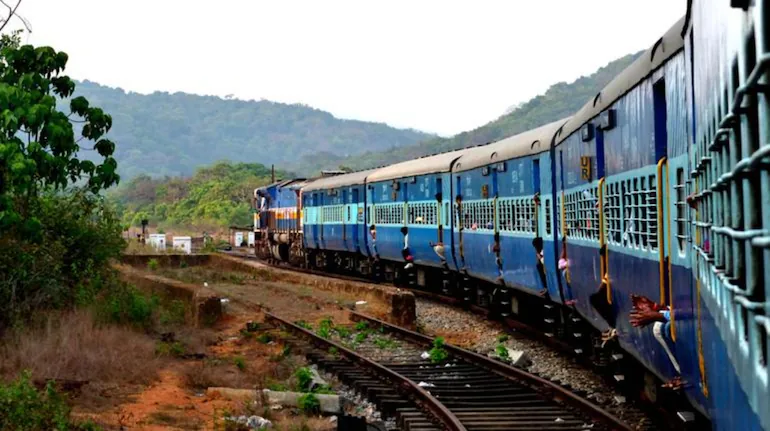
Indian Railways has reported losing more than ₹104 crore because of missing bedroll items from AC coaches over the last four years. While the figures highlight a major financial burden, they also raise broader questions about public property, accountability, and the cost of maintaining passenger services across one of the world’s largest railway networks.
What Happened?
Official data obtained through a Right to Information (RTI) request shows that between January 2022 and May 2026, more than 1.27 crore linen items—including bedsheets, blankets, pillow covers, pillows and towels—went missing from air-conditioned coaches across Indian Railways.
The estimated financial loss during this period exceeded ₹104.5 crore, making linen theft one of the recurring operational challenges faced by the national transporter. According to the available data, face towels were the most frequently missing items, although losses varied across railway zones.
How Credible Is This News?
The figures are based on official railway records accessed through the RTI Act, making them credible and supported by documented government data. The reported losses reflect inventory shortages recorded by the railway system rather than criminal convictions against individual passengers.
While the exact reason behind every missing item cannot always be established, railway officials have long acknowledged that theft and non-return of linen remain recurring operational issues. Similar concerns have also appeared in parliamentary replies and earlier official statements.
Why Does This Matter?
At first glance, missing bedsheets or towels may appear to be a minor issue. However, when repeated across millions of passenger journeys, the cumulative impact becomes significant.
Indian Railways operates thousands of trains daily and provides linen services on numerous long-distance AC routes. Replacing stolen items requires continuous expenditure, increasing maintenance costs that ultimately affect the railway system’s finances.
The issue is also linked to service quality. Frequent shortages can disrupt linen availability for passengers, create additional logistical challenges and increase operating costs for contractors responsible for washing, distributing and collecting these items.
The Bigger Picture Behind Railway Linen Theft
Linen theft is not a new problem. Railway authorities have reported similar incidents for several years, with earlier data also showing substantial annual losses.
The challenge reflects a combination of factors, including:
- Passengers taking railway property at the end of journeys.
- Difficulty in monitoring every item distributed onboard.
- Large-scale operations involving millions of travellers each month.
- The high cost of repeatedly replacing missing inventory.
Because Indian Railways serves one of the world’s largest passenger networks, even a small percentage of missing items translates into large financial losses.
Who Is Most Affected?
Indian Railways
The railway administration bears the cost of replacing missing linen while trying to maintain service standards for passengers.
Contractors and Staff
According to reports, linen collection is handled by private contractors in many cases. Missing inventory can create financial disputes between contractors and the railway system, with some reports suggesting that losses may ultimately affect frontline workers through salary deductions, although railway officials have stated they cannot establish staff involvement solely because items go missing.
Passengers
Honest passengers may experience delayed or limited linen availability if supplies have to be replenished or redistributed because of repeated shortages.
Could This Lead to Changes?
The reported losses are likely to strengthen discussions around improving inventory management rather than eliminating onboard linen services altogether.
Possible measures include:
- Better tracking of linen distribution.
- Stronger monitoring during collection.
- Increased passenger awareness that railway linen is government property.
- Tighter enforcement of existing penalties for theft.
- Greater use of technology to improve inventory management.
Any policy changes would likely aim to reduce recurring losses without affecting passenger comfort.
How Are Stakeholders Likely to View the Issue?
Railway authorities are expected to see the findings as evidence that stronger asset management systems are needed.
Many passengers may view the figures as a reminder that misuse of public property eventually increases costs for the transport system as a whole.
Public policy experts often argue that protecting shared infrastructure depends not only on enforcement but also on greater public responsibility and awareness.
What Should Readers Expect Next?
The latest figures are unlikely to trigger immediate nationwide policy changes on their own. However, they could encourage Indian Railways to review existing procedures for distributing and collecting linen in AC coaches.
Future efforts may focus on improving operational efficiency, reducing repeat losses and ensuring that passenger amenities remain available without creating unnecessary financial strain.
Key Takeaways
- Indian Railways recorded losses exceeding ₹104 crore after more than 1.27 crore linen items went missing from AC coaches between January 2022 and May 2026.
- The figures come from official RTI-based railway records, making the data credible, although individual responsibility for every missing item cannot always be determined.
- Beyond the financial cost, repeated linen theft affects operational efficiency, passenger services and the long-term management of public resources across India’s railway network.