U.S.-Iran Tensions Remain High as Washington Pushes for Talks While Declaring Ceasefire Over
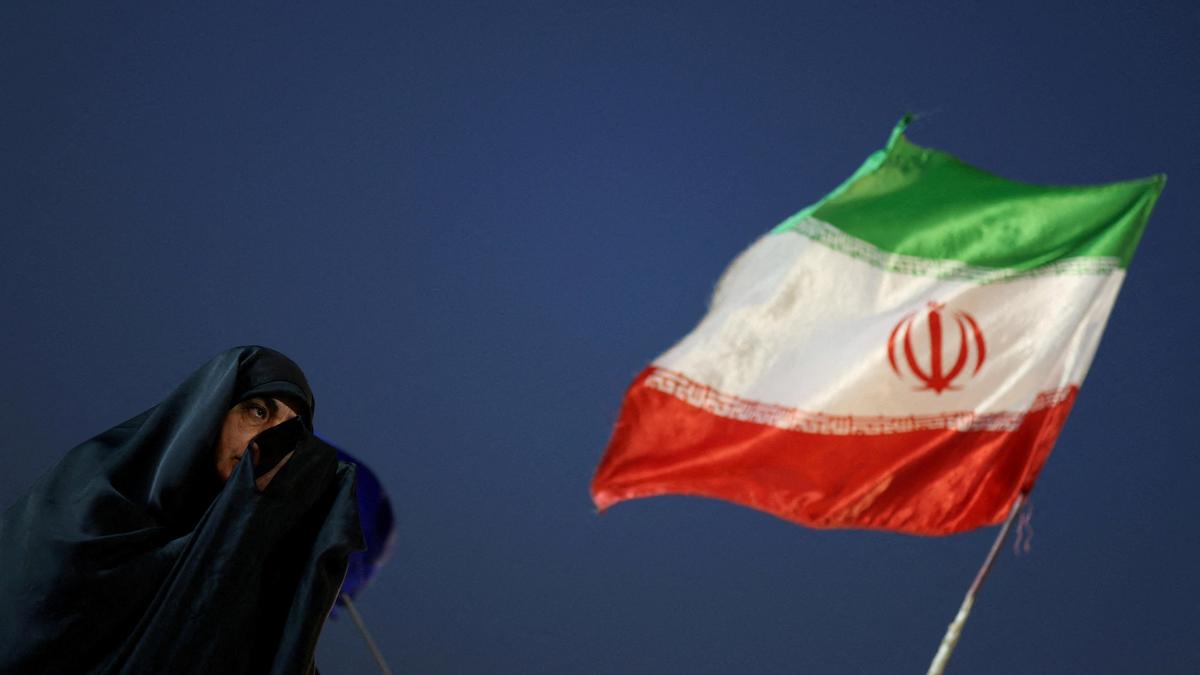
The United States and Iran remain locked in a fragile and uncertain phase of their confrontation, with military tensions continuing even as diplomatic contacts have not been completely abandoned. Recent statements from U.S. President Donald Trump indicate that Washington considers the previous ceasefire arrangement to be over, but negotiations through regional mediators are still expected to continue.
What Happened?
The latest developments follow several days of renewed hostilities in and around the Strait of Hormuz, one of the world’s busiest maritime trade routes.
According to U.S. officials, attacks on commercial vessels near the strategic waterway prompted fresh American military action against Iranian targets. President Donald Trump later announced that the earlier ceasefire agreement was no longer in effect, while also saying that diplomatic engagement with Tehran would continue.
Iran, however, has rejected claims that it initiated direct negotiations with Washington. Iranian officials maintain that any communication has been taking place indirectly through regional mediators, including countries such as Qatar and Oman.
How Credible Are These Developments?
Much of the current information comes from official statements issued by the U.S. administration and Iranian authorities, alongside reporting from multiple international news agencies.
Several important claims—including responsibility for attacks on shipping and details of military operations—remain disputed by the two sides. As a result, some aspects of the conflict are still developing and cannot yet be independently verified.
Why the Strait of Hormuz Matters
The Strait of Hormuz is a narrow sea passage connecting the Persian Gulf with the Gulf of Oman and the Arabian Sea. Around one-fifth of the world’s traded oil passes through this route.
Any disruption in shipping can have consequences far beyond the Middle East, including:
- Higher global oil prices
- Increased transportation and insurance costs
- Pressure on fuel prices for consumers
- Greater uncertainty in international financial markets
Even when shipping continues, military activity in the region can make commercial operators more cautious, reducing traffic and increasing costs.
Background: Why U.S.-Iran Relations Remain Volatile
Relations between Washington and Tehran have been strained for decades over issues including:
- Iran’s nuclear programme
- Regional military influence
- Economic sanctions
- Security in the Persian Gulf
- Support for allied armed groups across the Middle East
Recent diplomatic efforts had briefly raised hopes that direct military confrontation could be reduced. However, the latest exchange of attacks has placed those efforts under renewed pressure.
Who Is Most Affected?
The consequences extend well beyond the two governments involved.
Countries in the Gulf face increased security concerns and the possibility of regional instability.
Global energy markets remain sensitive to any disruption in oil exports from the region.
Shipping companies may experience higher operating expenses due to insurance premiums and route adjustments.
Ordinary consumers around the world could ultimately feel the impact if higher energy prices translate into increased transportation and living costs.
Analysis: Diplomacy Continues Despite Tougher Public Messaging
Confirmed Facts
The United States has publicly declared that the previous ceasefire arrangement has ended while also indicating that negotiations remain possible. Iran has acknowledged indirect diplomatic contacts through mediators but disputes aspects of the U.S. narrative.
Analysis
This combination of military pressure and continued diplomacy reflects a familiar pattern in U.S.-Iran relations. Public rhetoric has become more confrontational, yet neither side appears to have completely closed the door on negotiations.
Maintaining indirect communication can help reduce the risk of unintended escalation even when political leaders adopt stronger public positions. At the same time, ongoing military exchanges increase the possibility that a single incident could rapidly widen the conflict.
How Different Stakeholders Are Responding
The U.S. administration has insisted that freedom of navigation through the Strait of Hormuz must be protected and has demanded stronger assurances regarding commercial shipping.
Iran continues to defend its position on regional security while resisting several American demands. Officials have also emphasized that any diplomatic engagement remains indirect rather than direct.
Regional governments are continuing efforts to prevent a broader conflict, with mediation initiatives remaining an important channel for communication between Washington and Tehran.
What Could Happen Next?
Several developments will determine whether tensions rise further or begin to ease:
- Whether indirect negotiations produce practical progress.
- Whether commercial shipping through the Strait of Hormuz remains secure.
- Whether either side carries out additional military operations.
- Whether regional mediators succeed in rebuilding confidence between Washington and Tehran.
For now, diplomacy remains active, but the security situation is still highly fragile.
Key Takeaways
- The United States says its previous ceasefire arrangement with Iran has ended, but diplomatic contacts through regional mediators continue.
- The Strait of Hormuz remains central to the dispute because of its importance to global oil supplies and international shipping.
- While both countries continue exchanging sharp political messages, indirect negotiations suggest that efforts to prevent a wider regional conflict have not completely stopped.