US-Iran Tensions Escalate as Military Action Continues: What the Latest Developments Mean for the Middle East and Global Economy
The conflict between the United States and Iran has entered another critical phase, with fresh military action, diplomatic pressure and growing concerns over the security of the Strait of Hormuz. As both sides exchange military and political messages, governments and financial markets are closely monitoring whether the crisis can still be contained or whether it risks expanding into a wider regional conflict.
What Happened?
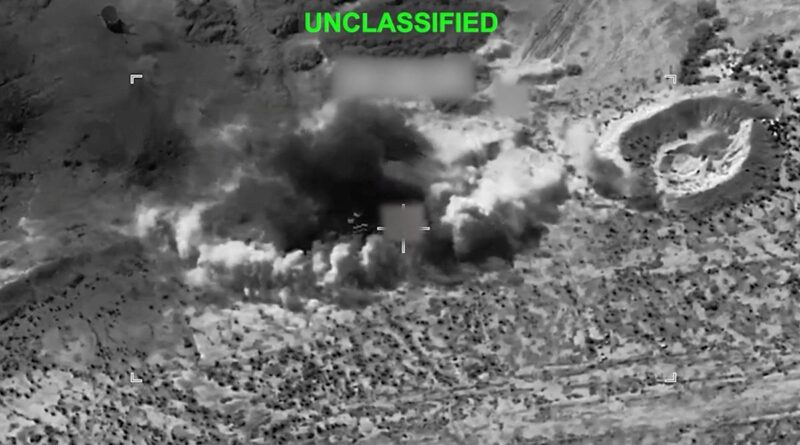
The United States carried out another round of military strikes targeting sites that it says are linked to Iran’s ability to threaten commercial shipping in and around the Strait of Hormuz. American officials described the operation as part of efforts to protect one of the world’s most important maritime trade routes.
Iran, meanwhile, accused Washington of further escalating the conflict and responded by announcing military action against selected regional targets that it says support US operations. Iranian officials have also repeated warnings that continued military pressure could affect energy exports from the wider Gulf region.
At the same time, US President Donald Trump renewed pressure on Tehran by warning of additional consequences if negotiations fail, while also modifying an earlier proposal involving shipping charges in the Strait of Hormuz.
How Credible Is This News?
The latest developments are based on official announcements from the US military, statements by Iranian authorities and reporting from multiple established international news organisations.
However, several battlefield claims—including the exact impact of military strikes and casualty figures—remain difficult to verify independently while operations continue. Governments involved are presenting events from their own perspectives, making independent confirmation important before drawing firm conclusions.
Why the Strait of Hormuz Matters
Much of the current crisis revolves around the Strait of Hormuz, a narrow waterway connecting the Persian Gulf with international shipping routes.
A significant share of the world’s oil and liquefied natural gas exports travels through this passage every day. Any disruption can quickly affect:
- Global crude oil prices
- Shipping costs
- Fuel prices in importing countries
- Energy security for Asia and Europe
- International supply chains
Because many major oil-producing countries depend on this route, military tensions in the area often have consequences far beyond the Middle East.
Background: Why Are the US and Iran in Conflict?
Relations between Washington and Tehran have remained tense for decades over issues including Iran’s nuclear programme, regional security, sanctions and military influence across the Middle East.
Recent diplomatic efforts had raised hopes of reducing tensions. However, renewed attacks on commercial shipping and subsequent military responses have weakened those diplomatic gains, leaving negotiations under significant strain.
Who Is Most Affected?
Countries
- Iran faces additional military pressure and economic uncertainty.
- The United States is expanding military operations while managing regional security commitments.
- Gulf nations face increased security risks because of their proximity to the conflict.
- Oil-importing countries, including India, closely monitor developments because higher energy prices could affect domestic inflation.
Industries
Several sectors may experience immediate effects if tensions continue:
- Oil and gas
- International shipping
- Insurance for cargo vessels
- Aviation
- Global financial markets
Even without a complete disruption of shipping, uncertainty alone can increase transportation and insurance costs.
Economic and Geopolitical Impact
The conflict is influencing both financial markets and international diplomacy.
Immediate effects
- Oil prices have experienced renewed upward pressure.
- Shipping companies are reassessing routes and operational risks.
- Investors are watching energy markets closely.
Longer-term risks
If military operations continue over an extended period, governments may face:
- Higher inflation driven by energy prices
- Slower economic growth in oil-importing nations
- Increased military spending
- Greater geopolitical competition among major global powers
The duration of these effects depends largely on whether diplomacy resumes or the conflict expands further.
How Are Different Stakeholders Responding?
United States
American officials say their military operations are intended to protect commercial shipping and reduce threats to international maritime traffic.
Iran
Iranian leaders argue that their actions are defensive responses to US military operations and have warned that continued pressure could trigger broader regional consequences.
Regional Governments
Countries across the Gulf are increasing security measures while attempting to prevent the conflict from spreading further. Many continue supporting diplomatic efforts aimed at reducing tensions.
Global Markets
Investors remain cautious, particularly in energy and shipping sectors, where prices react quickly to developments affecting the Strait of Hormuz.
What Should Readers Expect Next?
Several developments are likely to shape the coming days:
- Further military announcements from both countries.
- Continued diplomatic efforts by regional and international mediators.
- Close monitoring of shipping activity through the Strait of Hormuz.
- Ongoing movements in global oil and energy markets.
While both sides continue to exchange warnings and military action, it remains uncertain whether the situation will stabilize through negotiations or escalate further. Much will depend on future political decisions as well as developments on the ground.
Key Takeaways
- The latest US military action and Iran’s response have intensified tensions in an already fragile region.
- The Strait of Hormuz remains the central strategic issue because of its importance to global energy supplies and international trade.
- Although military activity continues, diplomatic efforts have not completely ended, making the coming days crucial for determining whether the crisis escalates further or returns to negotiations.