US-Iran Tensions Escalate as Strait of Hormuz Crisis Spreads Across Gulf Region
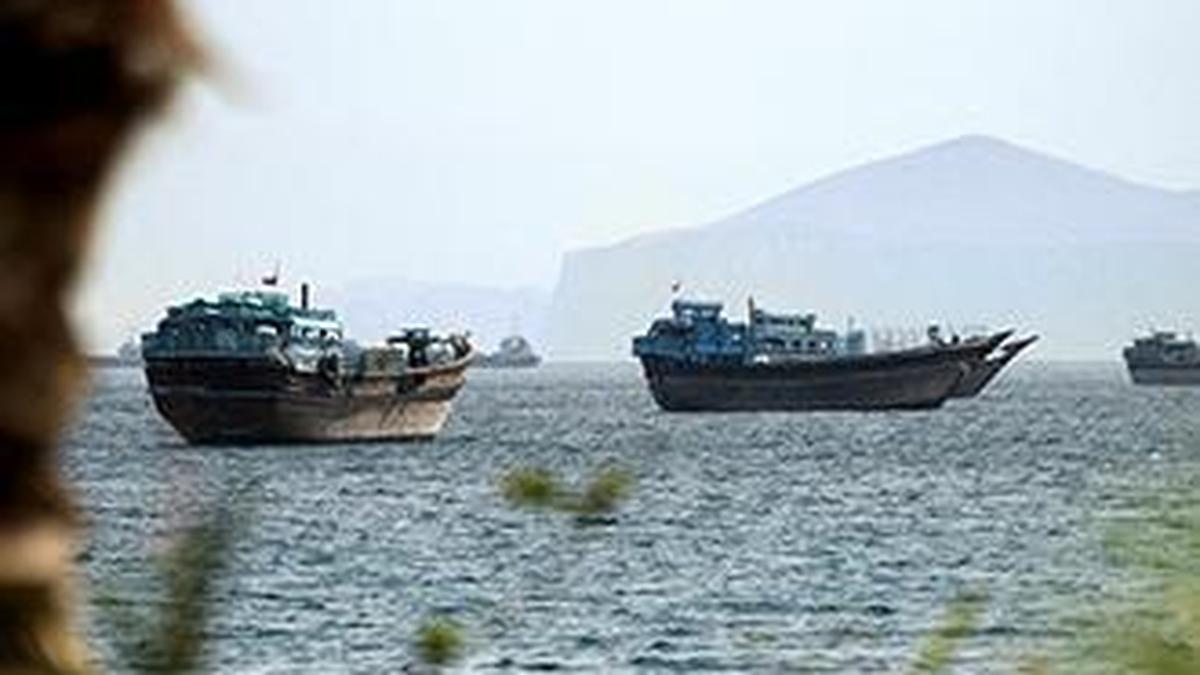
The latest exchange of military action between the United States and Iran has intensified concerns about stability in the Middle East. What began as a confrontation over security in the Strait of Hormuz has widened, drawing several Gulf countries into the crisis and raising fresh questions about global energy security, regional diplomacy and international trade.
While military operations continue, governments and analysts are closely watching whether the conflict remains contained or develops into a broader regional confrontation.
What Happened?
The United States carried out military strikes on Iranian targets after Washington blamed Tehran for attacks linked to commercial shipping in the Strait of Hormuz, one of the world’s busiest maritime routes for oil exports.
Iran responded by launching missile and drone attacks aimed at several Gulf states that host American military facilities. Reports indicate that countries including Bahrain, Kuwait, Qatar, Oman and Jordan were affected by the latest round of attacks, further expanding the geographical scope of the conflict.
The renewed fighting follows weeks of fragile diplomatic efforts that had attempted to reduce tensions between both countries.
How Credible Is This Development?
This is a confirmed international development.
The military actions have been acknowledged by official authorities on both sides and independently reported by multiple international news organisations. However, some battlefield claims—including the scale of damage inflicted by either side—remain difficult to verify independently while military operations are ongoing.
As with most active conflicts, casualty figures and operational details may continue to change as additional information becomes available.
Why the Strait of Hormuz Matters
Although often mentioned during Middle East tensions, the Strait of Hormuz is significant because it serves as one of the world’s most important energy corridors.
The narrow waterway connects the Persian Gulf to the Arabian Sea, allowing a substantial share of globally traded crude oil and liquefied natural gas (LNG) to reach international markets.
Any disruption in this passage can affect:
- Global oil prices
- Shipping costs
- Energy-importing countries
- International supply chains
- Insurance costs for commercial vessels
Even limited military activity around the Strait can increase uncertainty in global energy markets.
Background: Why Are the US and Iran Clashing Again?
Relations between Washington and Tehran have remained strained for decades over issues including:
- Iran’s nuclear programme
- Regional military influence
- Sanctions imposed by the United States
- Security of international shipping
- Support for allied armed groups across the Middle East
Recent diplomatic efforts had temporarily reduced direct confrontation, but attacks involving commercial vessels and competing claims over control of the Strait of Hormuz have again pushed both countries into open military exchanges.
Who Is Most Affected?
Countries in the Gulf
Nations hosting American military bases face heightened security risks as they become potential targets during periods of escalation.
Global Energy Markets
Oil producers and consumers alike are watching developments closely because prolonged disruption could influence fuel prices worldwide.
Shipping Industry
Commercial shipping companies may face:
- Higher insurance premiums
- Route adjustments
- Increased security costs
- Possible delivery delays
Ordinary Consumers
If instability continues, higher transportation and energy costs could eventually affect prices of goods in many countries, particularly those heavily dependent on imported fuel.
Economic and Geopolitical Impact
The latest confrontation highlights how regional conflicts can quickly become international economic concerns.
For the United States, maintaining freedom of navigation through international shipping lanes remains a key strategic objective.
Iran, meanwhile, has long viewed the Strait of Hormuz as central to its national security and regional influence.
Neighbouring Gulf countries find themselves balancing security cooperation with Washington while also seeking to avoid becoming direct participants in a wider conflict.
Financial markets have so far remained cautious rather than panicked, reflecting expectations that both sides may still seek to avoid a prolonged full-scale war despite the recent escalation.
How Are Different Stakeholders Responding?
United States
American officials say the strikes were intended to respond to attacks on commercial shipping and protect international maritime security.
Iran
Iran has described its military response as retaliation and has continued to assert its position regarding the Strait of Hormuz.
Gulf Governments
Regional governments have increased security measures while calling for stability, as military activity directly affects their territory and infrastructure.
International Community
Diplomatic efforts continue through regional partners and international organisations, with repeated calls for restraint to prevent further escalation.
What Could Happen Next?
Several developments are possible in the coming days:
- Further military exchanges if either side responds to new attacks.
- Increased diplomatic engagement by regional mediators seeking to restore calm.
- Greater naval deployments to protect commercial shipping routes.
- Continued monitoring of oil markets and international trade routes for signs of disruption.
At present, it remains uncertain whether the latest confrontation represents a temporary flare-up or the beginning of a more sustained phase of conflict. That uncertainty is likely to keep governments and global markets on alert.
Analysis: Why This Matters Beyond the Middle East
Analysis: The immediate military exchanges are significant, but the broader issue extends beyond regional security.
The Strait of Hormuz is deeply connected to the global economy. Even if physical damage remains limited, prolonged uncertainty can influence energy markets, shipping costs and investor confidence worldwide.
The latest events also illustrate how quickly maritime security incidents can evolve into wider geopolitical crises involving multiple countries, making diplomatic efforts increasingly important alongside military responses.
Key Takeaways
- The United States and Iran have entered another phase of direct military confrontation centred on security in the Strait of Hormuz.
- Several Gulf countries have become involved because they host American military facilities, increasing regional security concerns.
- While the conflict has not yet disrupted global energy supplies on a large scale, governments and markets are closely watching whether diplomacy can prevent a wider regional escalation.