Vietnam Boat Tragedy Leaves Families in Tamil Nadu Facing an Uncertain Future
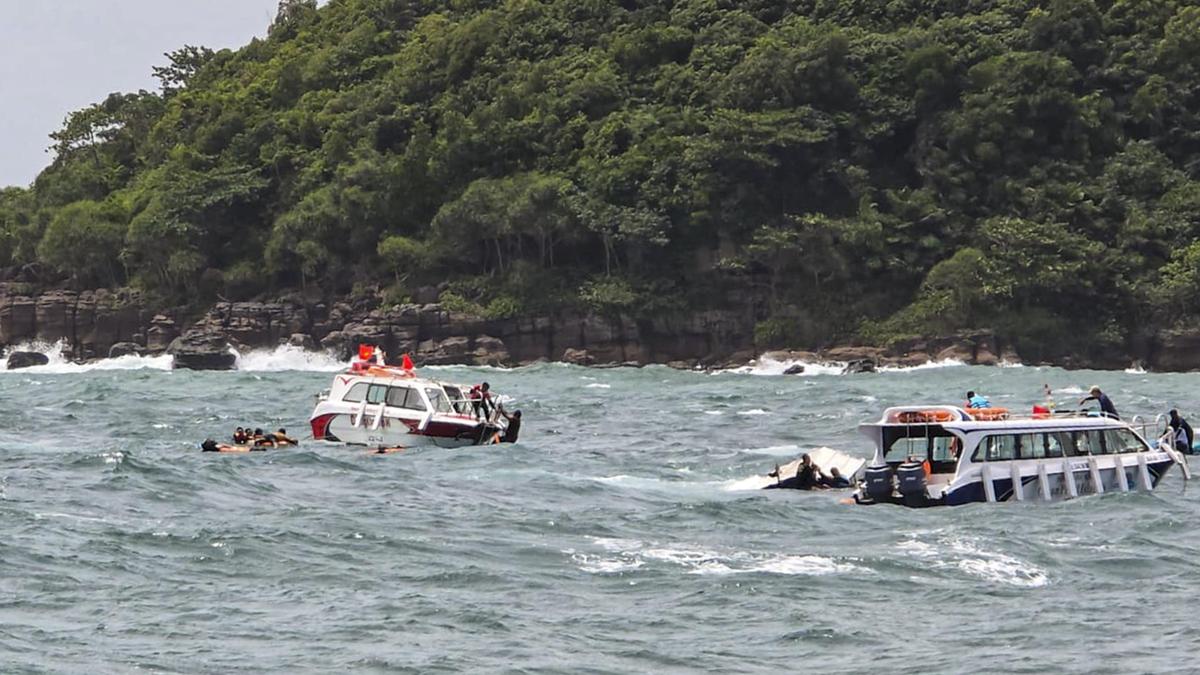
A tourist boat accident off Vietnam’s Phu Quoc Island has turned into a humanitarian tragedy for several families in Tamil Nadu. Beyond the loss of life, the incident has left many households without their primary earning members, raising concerns about long-term financial security and support for those left behind.
What Happened?
Fifteen Indian tourists died after a speedboat carrying 32 Indian passengers and four crew members capsized near Hon May Rut Ngoai Island, close to Vietnam’s popular tourist destination of Phu Quoc, on July 11. Rescue teams managed to save 21 people, while the injured were taken to hospitals for treatment. Vietnamese authorities have launched an investigation into the cause of the accident.
Among those who lost their lives were 10 people from Tamil Nadu. Several victims belonged to districts including Vellore and Tiruvannamalai, where grieving families now face not only emotional loss but also serious economic hardship after losing their sole breadwinners.
How Credible Is This News?
The incident has been officially confirmed by Vietnamese authorities and the Embassy of India in Vietnam. The list of deceased Indian nationals has been released, while both Indian and Vietnamese governments are coordinating assistance for survivors and the families of those who died.
The broader facts of the accident are not in dispute. However, the exact reason the boat overturned remains under investigation. Early reports have mentioned rough weather and large waves, while officials are also examining whether any technical or operational issues contributed to the accident. No final conclusion has yet been announced.
Families Lose More Than Loved Ones
For several families in Tamil Nadu, the tragedy has created an immediate financial crisis.
Many of those who died were supporting elderly parents, spouses, children, or extended family members. In districts such as Vellore and Tiruvannamalai, relatives described the victims as the only regular earners in their households, meaning the loss extends far beyond emotional grief.
For these families, the coming months may involve concerns over:
- Household income
- Children’s education
- Loan repayments
- Daily living expenses
- Long-term financial stability
This makes the accident not only a personal tragedy but also a social and economic challenge for the affected communities.
Why This Incident Matters Beyond One Accident
International leisure travel has become increasingly common among Indian professionals and business partners. Vietnam, in particular, has emerged as one of the fastest-growing overseas destinations for Indian tourists because of direct flights, relatively affordable travel costs, and simplified visa policies.
Reports indicate that many passengers were part of a company-sponsored incentive trip involving employees and business partners associated with Lava International. While such reward tours are common across industries, the accident has highlighted the risks that can arise during recreational activities abroad.
Government Response
Indian diplomatic missions in Vietnam quickly established contact with local authorities following the accident.
The Embassy of India has been assisting survivors and coordinating with Vietnamese officials regarding medical treatment, documentation, and the return of the victims’ bodies.
The Tamil Nadu government has also taken steps to support affected families, including coordinating with the Ministry of External Affairs and sending a senior official to help expedite the repatriation process. Political leaders across party lines have expressed condolences and assured assistance.
What Could Change After This?
Immediate developments
Authorities are expected to focus on:
- Completing the investigation into the accident
- Returning the bodies of the deceased to India
- Providing assistance to survivors
- Supporting affected families
Longer-term implications
The tragedy may encourage discussions around:
- Stronger safety oversight for tourist boats in popular international destinations
- Better emergency preparedness for marine tourism
- More comprehensive travel insurance coverage during corporate incentive trips
- Improved coordination between governments during overseas emergencies
Whether these discussions lead to policy changes will depend on the findings of the official investigation.
Stakeholder Reactions
Governments
Indian and Vietnamese authorities are working together on rescue coordination, medical assistance, investigations, and repatriation of victims. Vietnamese officials have ordered an inquiry into the accident and a review of maritime safety procedures.
Company
Lava International has confirmed that some of its employees and channel partners were among those involved. The company says it is coordinating with Indian authorities and providing support to affected families.
Local Communities
In Tamil Nadu, the focus has shifted from the accident itself to supporting bereaved families who have suddenly lost their main source of income. Community members and local representatives have called for financial assistance and continued government support.
What Readers Should Expect Next
Several developments are likely over the coming days:
- Vietnamese investigators are expected to determine the cause of the capsizing.
- Indian authorities will continue efforts to bring the victims’ remains home.
- State governments may announce or expand relief measures for affected families.
- Attention will likely remain on maritime safety standards for tourist excursions in Vietnam.
Until the investigation is complete, any explanation regarding the exact cause of the accident should be treated as preliminary.
Key Takeaways
- The Vietnam boat tragedy has become both a humanitarian and economic crisis for several families in Tamil Nadu, many of whom have lost their sole earning members.
- While the deaths and rescue operations are officially confirmed, the precise cause of the boat capsizing remains under investigation.
- The coming weeks will focus on the investigation, repatriation of victims, financial assistance for families, and possible discussions on improving tourist safety during overseas travel.