Ayushman Bharat Digital Health Network Expands as Over 93 Crore Accounts Link More Than 105 Crore Health Records
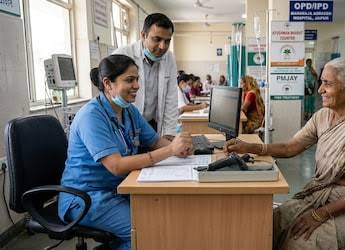
India’s digital healthcare infrastructure has crossed a major milestone, with more than 93 crore Ayushman Bharat Health Account (ABHA) numbers created and over 105 crore health records linked to the system, according to the Union Health Ministry.
The expansion is part of the government’s broader effort to build a connected digital health ecosystem where citizens can store, access, and share their medical information securely while improving healthcare delivery across the country.
What Happened? India’s Digital Health Records Reach a New Milestone
The Ministry of Health and Family Welfare announced that the Ayushman Bharat Digital Mission (ABDM) has recorded significant growth in the adoption of digital health services.
Under the initiative:
- More than 93 crore ABHA accounts have been created.
- Over 105 crore health records have been linked with these accounts.
- Healthcare providers, laboratories, and hospitals are increasingly integrating with the digital health network.
An ABHA account works as a unique digital health identity that allows individuals to connect their medical records, such as prescriptions, test reports, and hospital documents, in one place.
The system is designed to make healthcare information more accessible while reducing dependence on physical paperwork.
How Credible Is This Development?
This announcement is based on official figures shared by the Union Health Ministry regarding the progress of the Ayushman Bharat Digital Mission.
The numbers represent government-reported data on account creation and record linkage. However, the creation of digital accounts does not necessarily mean that every account holder actively uses digital health services or regularly accesses their records.
The long-term success of the initiative depends on factors such as public awareness, healthcare provider participation, data security measures, and ease of use.
What Is Ayushman Bharat Digital Mission and Why Was It Created?
The Ayushman Bharat Digital Mission was launched to create a nationwide digital health infrastructure.
Before digital health systems, medical records were often scattered across different hospitals, clinics, and laboratories. This made it difficult for patients to maintain their health history, especially when moving between healthcare providers.
The digital system aims to address these challenges by creating:
- A unique health identity for individuals through ABHA.
- Digital storage and exchange of health records.
- Better connectivity between patients, hospitals, laboratories, and healthcare professionals.
The goal is to make healthcare more efficient, accessible, and patient-focused.
Why This Matters for Patients and the Healthcare System
For ordinary citizens, especially those who frequently visit hospitals or require long-term treatment, digital health records can reduce several practical difficulties.
Potential benefits include:
- Easier access to previous medical reports and prescriptions.
- Reduced need to carry physical documents during hospital visits.
- Faster sharing of health information with doctors.
- Improved continuity of treatment when consulting different healthcare providers.
For healthcare institutions, digital records can help doctors make better-informed decisions by providing access to a patient’s medical history.
Who Benefits and Who Faces Challenges?
People Who Could Benefit
Several groups may gain from wider adoption of digital health systems:
- Patients: Easier management of personal health information.
- Doctors: Better access to medical history, helping diagnosis and treatment decisions.
- Hospitals and laboratories: More organised record management and improved coordination.
- Government health programmes: Better planning through improved healthcare data.
Challenges and Concerns
Despite the potential benefits, digital healthcare expansion also raises concerns.
Some challenges include:
- Data privacy: Health information is highly sensitive, and strong protections are needed to prevent misuse.
- Digital access gap: People without smartphones, internet access, or digital literacy may struggle to use these services.
- Adoption among healthcare providers: The system’s effectiveness depends on hospitals and clinics actively participating.
Experts have often highlighted that building trust among citizens will be as important as expanding the technology itself.
What Changes Could This Trigger in the Future?
The growth of ABHA accounts could influence how healthcare services operate in India over the coming years.
Possible long-term changes include:
More Connected Healthcare Services
A stronger digital network could allow smoother coordination between different healthcare providers, reducing repeated tests and improving treatment continuity.
Greater Use of Technology in Healthcare
The expansion of digital records may support the growth of online consultations, electronic prescriptions, and technology-based healthcare services.
Better Healthcare Planning
Aggregated health information, when used responsibly and with privacy safeguards, could help policymakers understand healthcare trends and allocate resources more effectively.
However, the impact will depend on how effectively the system is implemented beyond account creation numbers.
How Are Different Stakeholders Responding?
The government has presented the milestone as evidence of rapid progress in creating a digital healthcare ecosystem.
Healthcare providers and technology companies see opportunities for improved efficiency and innovation through connected health services.
At the same time, privacy advocates and digital rights groups have emphasised the importance of maintaining strict safeguards around personal medical data.
For citizens, awareness and confidence in using digital health tools will determine whether the system becomes a regular part of healthcare access.
What Should Readers Expect Next?
The next phase of the digital health initiative is likely to focus on increasing actual usage rather than only expanding registrations.
Key areas to watch include:
- Whether more hospitals and clinics adopt digital health systems.
- How easily people can access and manage their health records.
- Measures introduced to strengthen data protection.
- Awareness campaigns to help citizens understand ABHA services.
The creation of millions of accounts is an important step, but the real measure of success will be how much it improves healthcare experiences for people.
Key Takeaways
- India’s Ayushman Bharat Digital Mission has crossed major adoption milestones, with over 93 crore ABHA accounts and more than 105 crore linked health records reported by the government.
- Digital health records can improve healthcare access and coordination, but privacy, digital literacy, and wider adoption remain important challenges.
- The future success of the programme will depend on whether citizens and healthcare providers actively use the system in everyday medical care.