US Reaffirms Strait of Hormuz Is Open as Regional Tensions Raise Concerns Over Global Shipping
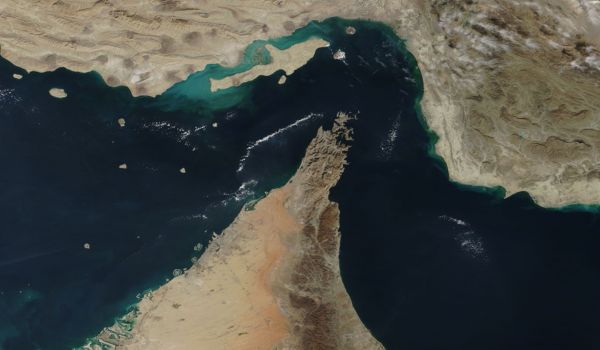
The United States has said the Strait of Hormuz remains open for commercial shipping despite Iran’s recent declaration that the strategic waterway has been closed. Washington also stated that American military forces are prepared to protect lawful maritime traffic through one of the world’s most important energy transit routes.
The latest developments come amid rising military tensions between the United States and Iran, increasing concerns over global energy supplies, shipping security, and the possibility of a wider regional conflict.
What Happened?
The U.S. Central Command (CENTCOM) has announced that the Strait of Hormuz remains accessible to vessels engaged in lawful international transit. The statement followed Iran’s announcement that it had closed the waterway after a fresh round of military confrontation with the United States.
According to U.S. officials, commercial shipping continues to move through the strait, and American naval forces are positioned to support freedom of navigation. The United States has also rejected Iran’s assertion that it can unilaterally control access to the international shipping lane.
The statement comes after reports of fresh U.S. airstrikes on Iranian military targets following an attack on a commercial vessel in the Strait of Hormuz. Iran later launched missile and drone attacks targeting several Gulf countries that host U.S. military facilities, further escalating tensions.
How Credible Is This Development?
This is a confirmed official development.
The information is based on public statements issued by the U.S. Central Command and remarks made by U.S. President Donald Trump regarding commercial navigation through the Strait of Hormuz. These statements have also been independently reported by international news organisations, including Reuters.
However, it is important to distinguish between competing claims:
- The United States says the Strait remains open and maritime traffic is continuing.
- Iran maintains that it has declared the waterway closed following the latest escalation.
Because of these conflicting positions, the security situation remains fluid even if some commercial vessels continue to transit the route.
Why the Strait of Hormuz Matters
The Strait of Hormuz is one of the world’s most strategically important maritime passages.
Located between Iran and Oman, it connects the Persian Gulf to the Gulf of Oman and the Arabian Sea. A significant share of global crude oil and liquefied natural gas exports passes through this narrow corridor every day.
Any disruption can quickly affect:
- International oil prices
- Fuel costs for consumers
- Global shipping operations
- Supply chains across Asia, Europe and North America
For this reason, developments in the Strait are closely watched by governments, energy companies, shipping firms and financial markets worldwide.
Who Is Most Affected?
Countries
- Gulf oil-exporting nations that depend on uninterrupted shipping.
- Major energy-importing countries across Asia and Europe.
- Iran and the United States, whose military confrontation continues to shape regional security.
Industries
Several sectors could face increased uncertainty if tensions persist:
- Oil and natural gas producers
- Shipping and logistics companies
- Marine insurance providers
- Airlines, if regional airspace restrictions expand
Even if shipping continues, higher security risks can increase insurance premiums and transportation costs.
Confirmed Facts vs Analysis
Confirmed Facts
- The U.S. says the Strait of Hormuz remains open.
- CENTCOM says American forces are prepared to ensure freedom of navigation.
- Iran has announced the closure of the waterway.
- Military exchanges between the United States and Iran have intensified in recent days.
Analysis
Although commercial traffic has not completely stopped, conflicting military claims increase uncertainty for shipping companies.
In situations like this, businesses often make decisions based not only on whether a route is technically open, but also on the perceived security risks. Shipping operators may alter routes, delay voyages or face higher operating costs if tensions remain elevated.
How Different Stakeholders Are Responding
United States
Washington says it will continue supporting safe navigation and argues that international shipping should not be disrupted by unilateral actions.
Iran
Iran maintains that it has authority to close the Strait in response to recent military developments and continues to challenge the U.S. position.
International Shipping Industry
Shipping companies and insurers are expected to closely monitor security conditions before making operational decisions. Even temporary uncertainty can influence freight costs and insurance rates.
Energy Markets
Investors are watching developments carefully because prolonged disruption in the Strait could affect global oil supplies and market prices, although the actual impact will depend on whether shipping continues without major interruption.
What Could Happen Next?
Several developments will determine how the situation evolves:
- Whether commercial vessels continue to transit the Strait without major incidents.
- Whether diplomatic efforts succeed in reducing tensions.
- Whether additional military exchanges occur between the United States and Iran.
- How global energy and shipping markets respond over the coming days.
At present, there is no confirmation that commercial navigation has completely halted, but the security environment remains highly sensitive.
Key Takeaways
- The United States says the Strait of Hormuz remains open and that its military is prepared to protect lawful maritime navigation despite Iran’s declaration of closure.
- The situation represents competing official claims rather than a settled reality, making continued monitoring essential.
- Because the Strait is vital to global energy trade, any sustained disruption could have consequences for oil markets, shipping costs and international economic stability.