Will the Iran-US Conflict Lead to a Fresh LPG Price Shock in India? Here’s Why Crude Oil Supplies May Remain Stable
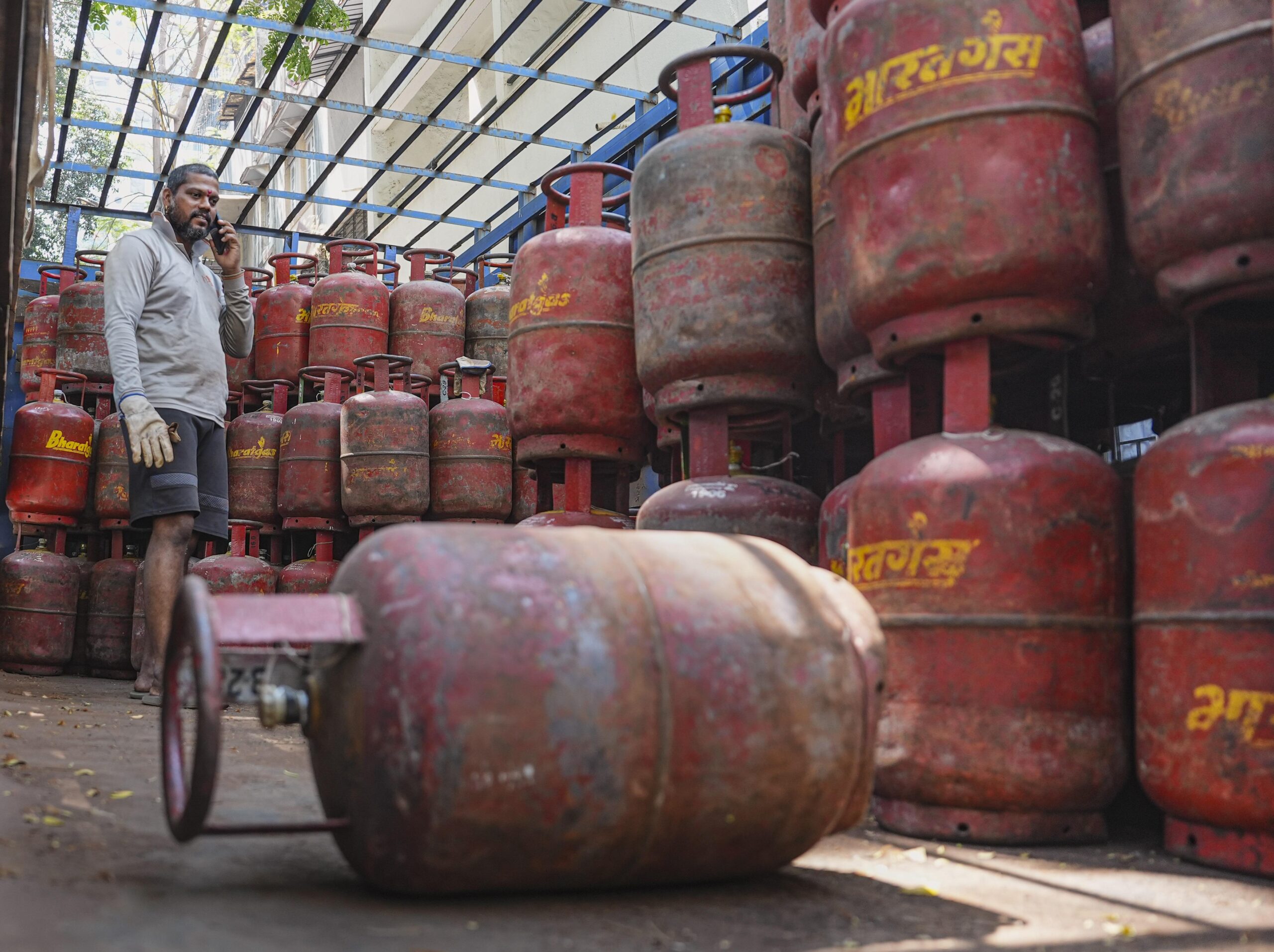
The renewed tensions between Iran and the United States have once again raised concerns about global energy markets. Since India imports most of its crude oil and a significant portion of its cooking gas, many consumers are asking whether the conflict could trigger another rise in fuel prices.
While the situation is being closely monitored, government officials and industry experts believe India’s crude oil supply remains secure for now, although LPG imports continue to face greater vulnerability due to shipping disruptions and changing trade routes.
What Has Happened?
Fresh military escalation between Iran and the United States has renewed fears over energy supplies moving through the Strait of Hormuz, one of the world’s busiest oil shipping routes.
The narrow waterway carries a substantial share of globally traded crude oil and liquefied natural gas (LNG). Any disruption in this corridor typically causes international oil prices to rise as traders worry about supply shortages. Recent attacks have already pushed crude prices higher, although global supplies have not been completely interrupted.
How Credible Is This Development?
This is a confirmed geopolitical development.
The military actions, market reaction, and movement in global oil prices have been widely reported by international news agencies and financial markets. Indian government officials have also publicly stated that they are monitoring the situation and have adequate short-term energy supplies.
However, the long-term impact remains uncertain because it depends on whether the conflict escalates further or stabilises through diplomatic efforts.
Why Does This Matter for India?
India imports around 85–90% of the crude oil it consumes, making international energy markets extremely important for its economy.
Normally, any sharp increase in crude oil prices can affect:
- Petrol and diesel costs
- Transportation expenses
- Inflation
- Manufacturing costs
- Government fuel subsidies
But crude oil and LPG do not face exactly the same level of risk.
Over the past few years, India has diversified its crude oil imports by increasing purchases from countries such as Russia while also sourcing oil from multiple regions. This has reduced dependence on any single shipping route or supplier.
Why LPG Faces Greater Risk Than Crude Oil
Although crude oil supplies have become more diversified, India’s LPG supply chain remains more dependent on imports arriving through the Gulf region.
If shipping through the Strait of Hormuz slows down or insurance and transport costs increase, LPG cargoes could become more expensive or arrive later than scheduled.
That does not automatically mean domestic LPG shortages will occur, but it increases the possibility of higher import costs if disruptions continue over an extended period.
Why Officials Say Crude Oil Supplies Are Still Secure
According to government officials, India currently has sufficient inventories and diversified sourcing arrangements to meet near-term demand.
Several factors support this position:
- Crude oil is being sourced from multiple countries rather than relying on one region.
- Existing purchase agreements help maintain supply even during geopolitical tensions.
- Energy inventories provide a temporary cushion against sudden disruptions.
- Authorities continue to monitor shipping routes and global markets on a daily basis.
This means consumers are unlikely to face an immediate crude oil supply crisis even if international tensions remain elevated.
Who Could Be Affected?
Consumers
Households could eventually see higher LPG prices if international import costs remain elevated for a prolonged period.
Industries
Businesses that depend heavily on fuel—including transport, aviation, logistics and manufacturing—could face increased operating costs if crude prices continue rising.
Government
Authorities may need to review fuel pricing, subsidies or supply management if global energy markets remain volatile.
Energy Companies
Oil marketing companies would closely track import costs, shipping availability and international benchmark prices before making pricing decisions.
What Could Change in the Coming Weeks?
Several scenarios remain possible.
If regional tensions ease, global oil prices could stabilise and concerns over fuel supplies may gradually fade.
However, if military conflict expands or shipping through the Strait of Hormuz faces prolonged disruption, energy prices could remain under pressure worldwide.
Much will depend on:
- The duration of the geopolitical conflict
- Safety of commercial shipping
- Global crude production levels
- Decisions by major oil-producing countries
- International diplomatic efforts to reduce tensions
At present, none of these outcomes can be predicted with certainty.
How Are Different Stakeholders Responding?
The Indian government has emphasised that there is no immediate reason for panic, pointing to existing inventories and diversified crude sourcing.
Energy analysts generally agree that crude oil supplies are better protected than they were in previous crises. At the same time, many experts continue to caution that LPG imports remain relatively more exposed to disruptions in Gulf shipping routes.
Financial markets, meanwhile, continue to react to every major development in the conflict, causing fluctuations in international crude prices.
What Should Readers Expect Next?
For now, consumers are unlikely to experience an immediate disruption in fuel availability.
The key issue to watch is whether tensions in West Asia escalate further. A prolonged conflict could gradually increase transportation costs and import bills, especially for LPG.
If shipping remains uninterrupted and diplomatic efforts succeed in reducing tensions, India’s diversified crude sourcing strategy is expected to limit the impact on domestic fuel supplies.
Key Takeaways
- India’s crude oil supply appears secure in the short term because of diversified imports, existing inventories and multiple sourcing arrangements.
- LPG remains relatively more vulnerable than crude oil because a larger share of its imports depends on Gulf shipping routes.
- The biggest factor to monitor is whether tensions around the Strait of Hormuz worsen, as prolonged disruption could increase energy costs globally even without an immediate supply shortage.